





UK GYM FLOORING SPECIALISTS · EN 13893 CERTIFIED
Gym Flooring for Home, Garage & Commercial Gyms
Rubber gym tiles from 12mm to 30mm, 17mm gym mats, rubber rolls cut to length and EVA foam. UK stock, same-day dispatch before 2pm and free UK delivery with no minimum order.
Not sure what you need? Talk to a specialist: 01282 277 710


BEST SELLERS
Our Most-Fitted Gym Flooring
Gym Flooring for Every Type of Gym
Heavy Lifting Zones
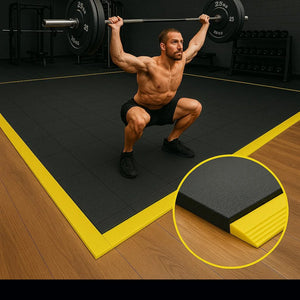
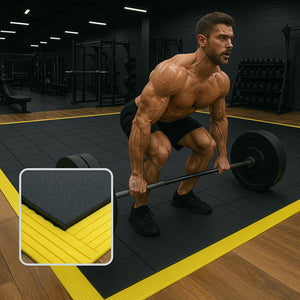
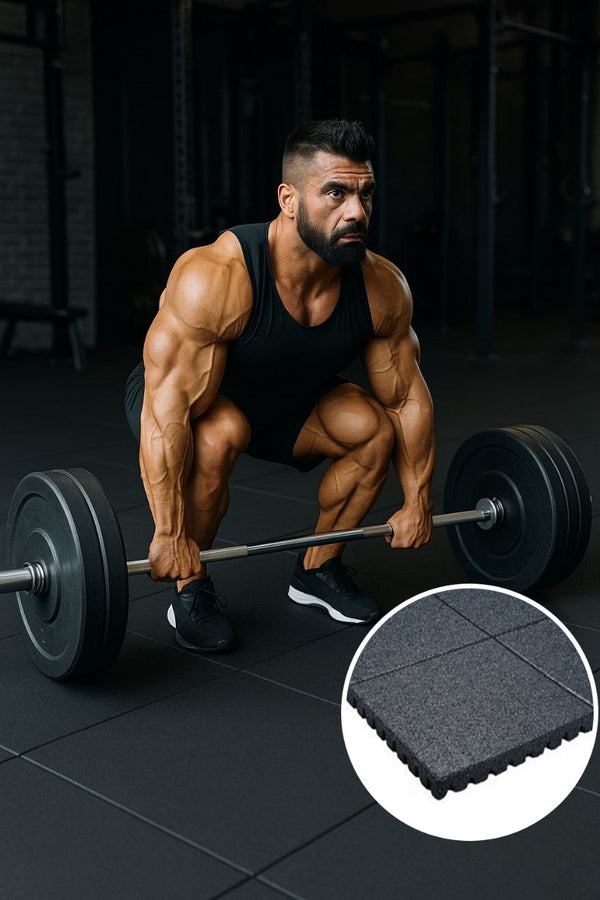
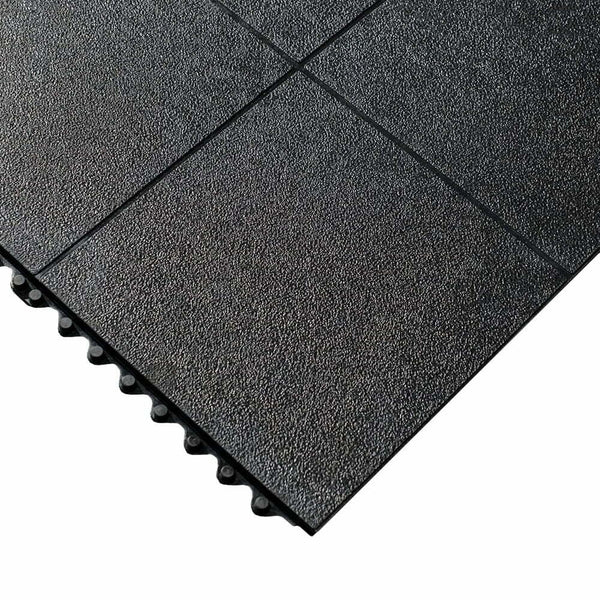
Deadlift platforms, Olympic lifting and barbell drops. 30mm rubber tiles give the most impact protection.
Heavy-duty gym tiles →Functional & CrossFit
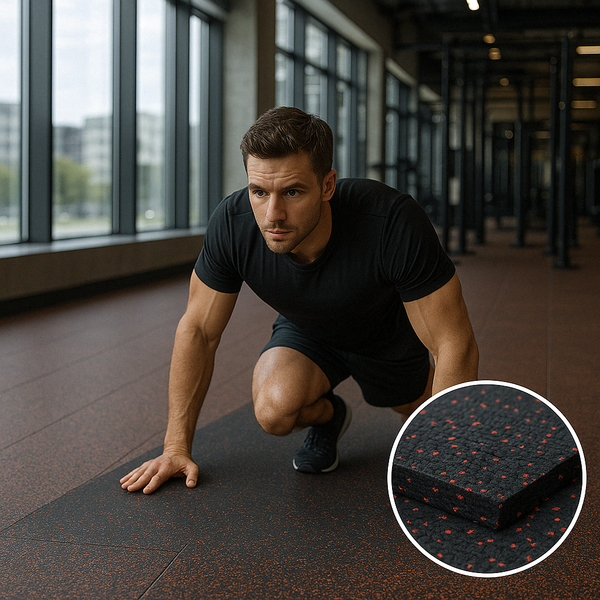
Rope slams, box jumps and sled pushes. Interlocking rubber tiles stay put under high-intensity training.
Interlocking rubber tiles →Commercial Gym Floors
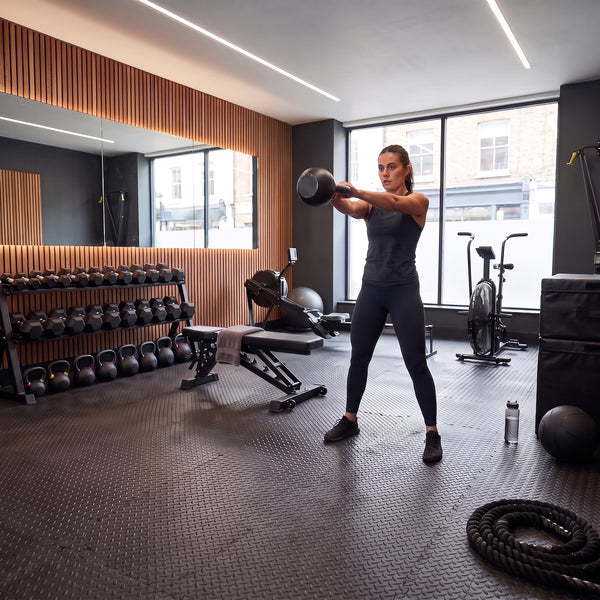
Full fit-outs for PT studios, schools, hotels, leisure centres and gym chains, with trade pricing on bulk orders.
Commercial gym flooring →Home & Garage Gyms
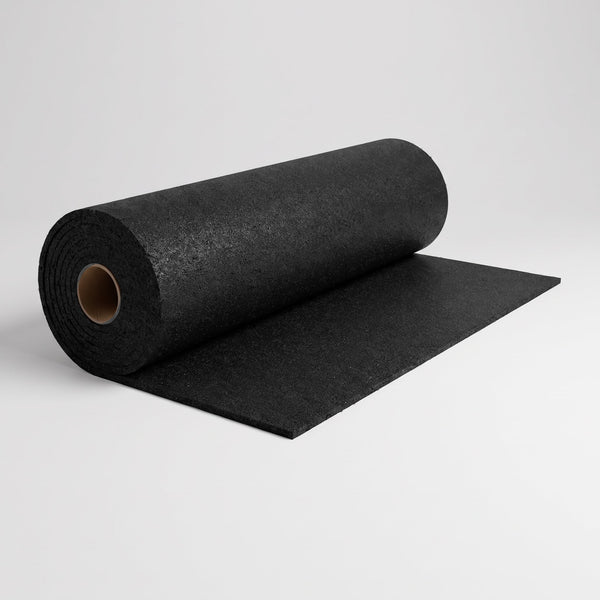
Rubber tiles and mats that lay straight onto concrete or floorboards, with no glue and no tools.
Home gym flooring → Garage gym flooring →Where Our Flooring Is Used
Photos sent in by verified customers with their reviews — home gyms, garages, PT studios and commercial facilities across the UK.
 Commercial gym
Rubber gym mats
Commercial gym
Rubber gym mats
 Garage gym
Rubber gym flooring
Garage gym
Rubber gym flooring
 Home gym
16mm heavy-duty rubber tiles
Home gym
16mm heavy-duty rubber tiles
 Home gym
Rubber mats with ramp edging
Home gym
Rubber mats with ramp edging
 Rehabilitation centre
16mm interlocking tiles · Amelia H.
Rehabilitation centre
16mm interlocking tiles · Amelia H.
 Home gym
EVA foam gym tiles · Isaac E.
Home gym
EVA foam gym tiles · Isaac E.
Trusted By Leading Organisations

















Not Sure What Flooring You Need?
Answer 3 questions and get a professional recommendation.
Rubber Tiles vs Rolls vs Gym Mats vs EVA Foam
Rubber tiles are the best all-round gym flooring for lifting, rolls are the cheapest way to cover a large area, 17mm rubber mats suit home gym stations and EVA foam is for light, low-impact training. Here is how our four types of gym flooring compare.
| Rubber gym tiles | Rubber rolls | Rubber gym mats | EVA foam tiles | |
|---|---|---|---|---|
| Thickness | 12mm, 16mm, 20mm and 30mm | 4, 6, 8, 10 or 12mm | 17mm | 12mm |
| Sizes | 500 × 500mm and 1m × 1m | 1m wide, cut to length or a full 10m roll | 915 × 915mm (3ft × 3ft) | 610 × 610mm |
| Price per m² | £40–£55 (12–20mm) £75 (30mm, 1m tile) | £20–£45 (full roll) £39–£79 (cut to length) | About £54 | About £21.50 |
| Best for | Free weights, heavy lifting, garage and commercial gyms | Cardio areas, studios and large floors | Home gym stations, under racks and benches | Yoga, stretching, bodyweight and kids' play areas |
| Dropped weights | 16–20mm for dumbbells; 30mm for barbell drops | Not for barbell drops | Dumbbells and kettlebells | Not for dropped weights |
| Fitting | Loose-laid, no glue; cut with a sharp knife | Cut to size; glue or tape joins in commercial gyms | Interlocking, loose-laid; optional ramp edges | Click together by hand; very light |
| Shop | Rubber gym tiles → | Rubber gym flooring rolls → | Rubber gym mats → | EVA foam gym tiles → |
Which Gym Flooring Thickness Do You Need?
4–8mm: Cardio & Bodyweight
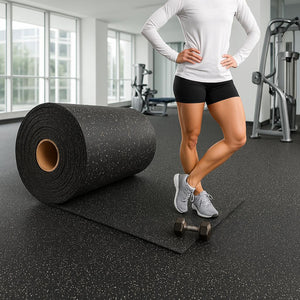
For treadmills, bikes, rowers, stretching and bodyweight circuits. A rubber gym flooring roll is the cheapest way to cover the whole room.
10–12mm: Home Gyms & Studios
For light dumbbells, classes and PT studios. Choose a 10–12mm roll or 12mm interlocking rubber tiles.
16–20mm: Free Weights
The all-round choice for dumbbells, kettlebells, racks and benches in home, garage and commercial gyms. Shop interlocking rubber tiles.
30mm: Heavy Lifting
For deadlifts, Olympic lifting, CrossFit and barbells dropped from overhead. Shop 30mm heavy-duty gym tiles.
Gym Flooring FAQs
How thick should gym flooring be?
Match the thickness to the heaviest thing that will hit the floor. 4–8mm rubber suits cardio machines, stretching and bodyweight training. 10–12mm suits home gyms with light dumbbells and studio classes. 16–20mm is the all-round choice for dumbbells, kettlebells and most home, garage and commercial gyms. 30mm is for deadlifts, Olympic lifting and barbells dropped from overhead. If you are between two sizes, go one step thicker. Read our gym flooring thickness guide.
What is the best gym flooring for a home gym?
For most UK home gyms, interlocking rubber tiles 16–20mm thick are the best all-rounder: they lay without glue, protect the floor from dumbbells and reduce impact noise. Choose 30mm tiles if you lift heavy barbells, a 10m rubber roll to cover a large area on a budget, or 12mm EVA foam tiles for yoga, stretching and bodyweight work. Shop home gym flooring.
What flooring should I use in a garage gym?
Lay rubber gym tiles or rolls straight onto the concrete; no underlay or glue is needed. 16–20mm interlocking tiles handle racks, benches and dumbbells, and 30mm heavy-duty tiles protect the slab from dropped barbells. Rubber copes with the cold and damp of a garage better than foam. Shop garage gym flooring.
Rubber tiles or rubber rolls: which is better?
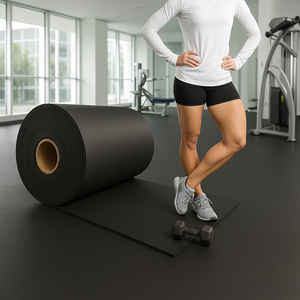
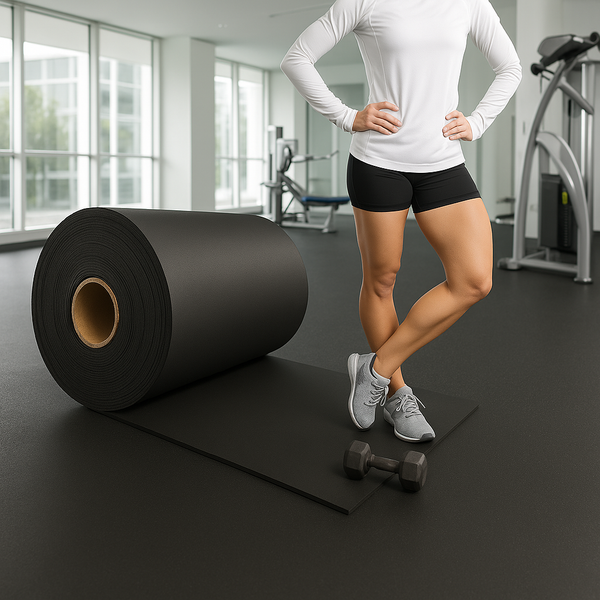
Rubber tiles (12–30mm) are the easiest to fit yourself, come in the thicknesses needed for lifting and can be replaced one at a time. Rubber rolls (4–12mm, 1m wide) have fewer joins and cost less per m² over large areas, but a full 10m roll weighs 47–127kg, so plan for two people. Many gyms use rolls in cardio areas and thick tiles in the free-weights zone. Shop rubber gym tiles or rubber gym flooring rolls.
How much does gym flooring cost per m²?
At September 2026 prices, rubber rolls cost about £20–£45 per m² on a full 10m roll, or £39–£79 per metre cut to length. Rubber tiles and 17mm gym mats cost about £40–£55 per m² for 12–20mm, and 30mm heavy-duty tiles cost £75 per m² in the 1m × 1m size. 12mm EVA foam tiles cost about £21.50 per m². Delivery is free on every UK mainland order.
How much gym flooring do I need?
Multiply the room length by the width to get the area in m², then add about 5% for cuts. A 5m × 4m garage is 20m², which is 20 of our 1m × 1m tiles, 80 of the 500mm × 500mm tiles, or two 10m × 1m rolls. Use the gym flooring calculator.
Do I need underlay or adhesive?
Not for most home and garage gyms. Interlocking tiles and mats are loose-laid on a flat, dry, hard floor such as concrete, screed or floorboards. In busy commercial gyms, rolls are usually glued or taped at the joins so they do not creep. Add acoustic underlay only where noise matters, such as an upstairs room or a flat. Do not lay rubber over carpet for weight training.
Can I put a gym in an upstairs room or a flat?
Yes, for most home setups. Rubber flooring spreads the load and reduces impact noise; our 30mm acoustic rubber tiles, or acoustic underlay beneath tiles, give the biggest reduction. No floor covering makes a room completely soundproof, and heavy racks or dropped barbells upstairs need a floor strong enough to carry them, so check with a builder if you are unsure.
Does rubber gym flooring smell?
New recycled rubber has a rubbery smell. It fades over the first few weeks with ventilation, and airing the tiles or roll in a garage or open room for a few days before fitting speeds this up. EVA foam tiles have very little smell. A free sample lets you check before you order. Request free samples.
How fast is delivery, and is it free?
Delivery is free to UK mainland addresses with no minimum order. Orders placed before 2pm on a working day are dispatched the same day and usually arrive within 2–3 working days. Unopened flooring can be returned within 14 days of delivery. See delivery details.
Do you offer free samples?
Yes. Samples are free and posted to you, so you can check the thickness, grip, colour and smell in your own space before ordering. Request free gym flooring samples.
