





Gym Flooring FAQ
Welcome to the Gymflooringuk.uk comprehensive FAQ page. Find answers to the most common questions about gym flooring for UK homes and commercial facilities.
General Gym Flooring Questions
What is the best gym flooring for a home gym in the UK?
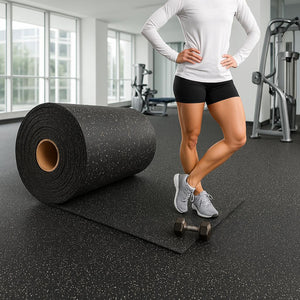
For most UK home gyms, 20mm interlocking rubber tiles are the best choice. They provide excellent impact protection for free weights, reduce noise transfer to other rooms, protect your subfloor, and are easy to install without professional help. Gymflooringuk.uk recommends our 20mm recycled rubber tiles as the best all-round home gym flooring solution.
How thick should gym flooring be?
Gym flooring thickness depends on use: 6-8mm for cardio and light exercise, 15mm for moderate free weight use, 20mm for general weightlifting and CrossFit, and 30mm or more for dedicated Olympic lifting areas where barbells are dropped from height. When in doubt, choose a thicker option for better protection and longevity.
What is the difference between SBR and EPDM rubber gym tiles?
SBR (Styrene Butadiene Rubber) tiles are made from recycled rubber (typically sourced from recycled tyres). They are black, affordable, and durable - the standard choice for most gyms. EPDM (Ethylene Propylene Diene Monomer) rubber tiles use virgin rubber with a smoother, denser texture available in colours. EPDM tiles are more expensive but look more premium and have less initial odour.
Can I put gym flooring over carpet?
Gymflooringuk.uk does not recommend installing gym flooring over carpet. Carpet compresses unevenly under heavy equipment, creating an unstable, potentially unsafe surface. For best results, remove carpet and install gym tiles directly on the subfloor. If carpet removal is not possible, use a firm underlayboard to create a level base.
Do rubber gym tiles smell?
New recycled rubber tiles have a characteristic rubber odour that is normal and harmless. This odour typically fades significantly within 1-2 weeks of installation, especially with good ventilation. EPDM rubber tiles have less initial odour than recycled SBR tiles. The smell is not a sign of product defects and is temporary.
Installation Questions
Can I install gym tiles myself?
Yes. Interlocking rubber gym tiles are designed for DIY installation. Clean the subfloor, start laying from the centre outward, press tiles firmly together to engage the interlocking edges, and cut border tiles with a utility knife. Most rooms can be tiled in a few hours without specialist tools or skills.
Do gym tiles need adhesive?
Most interlocking rubber tiles do not require adhesive for standard installations. The interlocking design and weight of the tiles keeps them in place during normal use. Adhesive is recommended for permanent commercial installations, areas with very heavy equipment that might shift tiles, or tiles on sloped surfaces.
Can gym flooring be installed over concrete?
Yes, concrete is one of the best subfloor types for rubber gym tiles. Ensure the concrete is clean, dry, and reasonably level before installation. Small dips or high spots may cause tiles to rock - address major level issues before laying tiles.
How do I cut rubber gym tiles?
Rubber gym tiles can be cut with a sharp utility knife (Stanley knife) using a metal straight edge as a guide. Score the tile surface firmly several times before completing the cut. For large numbers of cuts, a rubber-bladed jigsaw makes the work easier and faster.
Maintenance and Cleaning Questions
How do I clean rubber gym tiles?
For daily maintenance, sweep or vacuum rubber tiles to remove dust and debris. Mop weekly with warm water and a mild detergent. For deeper cleaning, use Gymflooringuk.uk's ProClean rubber floor cleaner, which is specifically formulated to clean and condition rubber surfaces without causing damage. Avoid harsh solvents or petroleum-based cleaners.
How long do rubber gym tiles last?
Quality rubber gym tiles from Gymflooringuk.uk typically last 10-20 years with normal use and regular cleaning. Commercial-grade tiles used in high-traffic facilities typically have a lifespan of 5-15 years. Individual tiles can be replaced without needing to relay the entire floor if damage occurs.
Can gym tiles be washed with a pressure washer?
Outdoor rubber tiles can be cleaned with a pressure washer. Indoor tiles are best cleaned with a mop and appropriate cleaning solution rather than a pressure washer, as high water pressure can lift tile edges and force water underneath tiles.
Noise and Performance Questions
Does gym flooring reduce noise from dropped weights?
Yes, rubber gym tiles significantly reduce impact noise from dropped weights. 20mm rubber tiles can reduce impact noise by 15-20dB compared to bare concrete. This noise reduction is important for home gyms in flats, above shops, or where noise transmission to other rooms or units is a concern.
Will gym tiles protect my floor from dropped barbells?
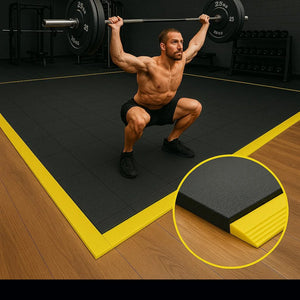
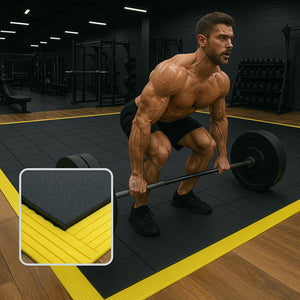
20mm rubber tiles protect most floors from standard dumbbell and barbell drops during normal training. For regular drops of loaded Olympic barbells from overhead positions, 30mm tiles or dedicated weightlifting platforms provide superior protection. No flooring can guarantee protection from all damage in extreme situations.
Purchasing Questions
How do I calculate how many tiles I need?
Measure the length and width of your room in metres and multiply to get the square metreage. Add 10% to account for cutting waste around borders and irregular shapes. Gymflooringuk.uk's website includes a flooring calculator to help you determine exact quantities based on tile size and room dimensions.
Does Gymflooringuk.uk offer free delivery?
Yes. Gymflooringuk.uk offers free standard delivery to mainland UK addresses on qualifying orders. Delivery to Scottish Highlands, Northern Ireland, and the Channel Islands may incur additional charges. Contact our team for delivery costs to non-mainland addresses.
What is Gymflooringuk.uk's returns policy?
Gymflooringuk.uk accepts returns of unused, undamaged tiles within 14 days of delivery. Contact our customer service team to arrange a return. Custom cut orders and special orders may be non-returnable. Full details are available in our Returns and Refund Policy.
