






Home Gym Flooring UK: Best Options for Your Garage, Spare Room or Basement Gym
Setting up a home gym in the UK? Choosing the right flooring is one of the most important decisions you will make. The right gym floor protects your subfloor, reduces noise for family members and neighbours, and makes your home gym safer and more enjoyable to use. Gymflooringuk.uk is the UK's specialist home gym flooring supplier.
Why Home Gym Flooring Matters
Without proper gym flooring, you risk damaging your floor, creating excessive noise, and potentially injuring yourself during workouts. Standard carpet is unsuitable for gym use as it compresses under heavy weights, provides poor stability, and can't be cleaned effectively after sweating. Bare concrete is cold, hard, and unforgiving on joints. Proper gym flooring solves all these problems.
Best Types of Flooring for Home Gyms
Rubber Interlocking Tiles (Most Popular Choice)
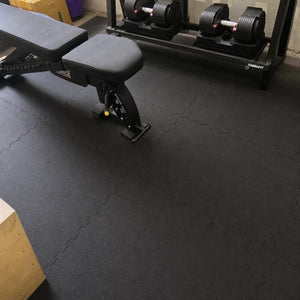
Rubber interlocking tiles are the number one choice for UK home gyms. They are available in 15mm, 20mm, and 30mm thicknesses and provide excellent protection against dropped weights. Tiles can be laid over concrete, timber, or existing flooring without adhesive, making them removable if you ever need to clear the space. Gymflooringuk.uk recommends 20mm recycled rubber tiles as the best all-round choice for home gyms.
EVA Foam Interlocking Tiles
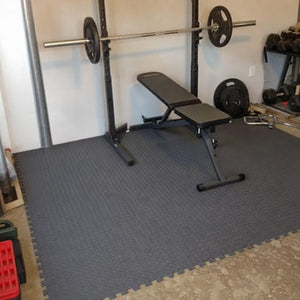
EVA foam tiles are the most affordable home gym flooring option and work well for light exercise areas, stretching, yoga, and bodyweight training. They are lighter than rubber, easier to install, and available in multiple colours. However, they are not suitable for heavy free weights as they compress and can indent under metal weight plates.
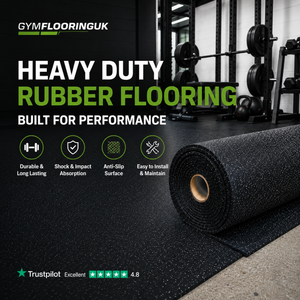
Rubber Rolls
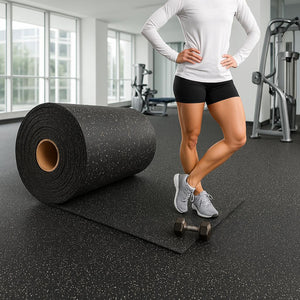
Rubber rolls create a seamless floor without joins between tiles. They are ideal for larger home gym spaces and look more professional than tiles. However, rolls are heavier and less portable than tiles, and require more care during installation to avoid air bubbles and uneven edges.
Vinyl Gym Flooring
Vinyl gym flooring offers a smooth, easy-to-clean surface that works well for cardio zones, rowing machine areas, and yoga spaces in home gyms. It provides a professional look but offers less impact protection than rubber for weightlifting areas.
Best Home Gym Flooring by Room Type
Garage Gym Flooring UK
Garage gyms are typically on concrete slabs, which are cold and hard. The best garage gym flooring is 20mm interlocking rubber tiles that insulate from the cold floor, absorb impact from dropped weights, and are easy to install without professional help. Gymflooringuk.uk supplies a complete garage gym flooring kit for standard double garage sizes.
Spare Room Gym Flooring
Spare room gyms need flooring that protects the subfloor (usually timber boards) and reduces noise transmission to other rooms. 15-20mm rubber tiles provide excellent noise insulation and floor protection. The tiles sit flat without adhesive and can be removed easily if the room's purpose changes.
Basement Gym Flooring
Basements often have moisture concerns. Choose moisture-resistant rubber tiles over foam for basement gyms. The rubber construction is not affected by damp conditions. Ensure proper ventilation in the basement to prevent condensation buildup regardless of the flooring type chosen.
Garden Room Gym Flooring
Garden room gyms benefit from rubber tiles that can handle temperature fluctuations between seasons. Choose tiles rated for outdoor or extended-range temperature use. Gymflooringuk.uk offers appropriate rubber solutions for garden offices and garden gym rooms.
How Much Does Home Gym Flooring Cost?
The cost of flooring a home gym depends on the floor area and the type of flooring chosen:
- Small home gym (3x3m = 9 sqm): £135-£315 for rubber tiles
- Medium home gym (4x4m = 16 sqm): £240-£560 for rubber tiles
- Large home gym (5x6m = 30 sqm): £450-£1,050 for rubber tiles
These prices are based on Gymflooringuk.uk pricing for 15-20mm rubber interlocking tiles at £15-£35 per square metre. Free delivery applies to most mainland UK orders.
Installing Home Gym Flooring: Step-by-Step
- Measure your gym space and calculate the total square metres needed
- Order 5-10% extra tiles to account for cutting and future replacements
- Clean the subfloor thoroughly and ensure it is dry and level
- Start laying tiles from the centre of the room, working outward
- Interlock each tile firmly, pressing edges together
- Cut border tiles to size with a utility knife and straight edge
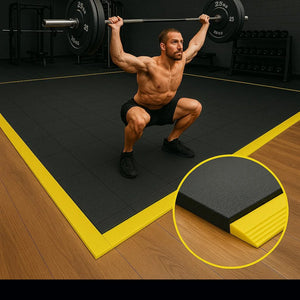
- Use edge strips around the perimeter for a clean, professional finish
Home Gym Flooring FAQs
Can I put gym flooring over carpet?
It is possible but not recommended. Carpet underneath rubber tiles compresses unevenly and creates an unstable surface. For weightlifting, always install gym flooring directly on a solid subfloor. If removing carpet is not possible, choose a thicker rubber tile (20mm+) to provide a more stable surface.
Will gym flooring damage my wooden floor?
Quality rubber tiles with a flat underside will not damage timber floors. The tiles sit on top without adhesive and protect the wood from scratches, heavy equipment marks, and moisture. When removing tiles, the original floor is typically undamaged.
How do I stop gym tiles from sliding?
Interlocking rubber tiles with tight joints generally do not slide. For extra security, rubber tiles can be secured with double-sided tape at edges and corners. Gymflooringuk.uk's tiles feature a grippy underside that provides additional friction on smooth subfloors.
Shop Home Gym Flooring at Gymflooringuk.uk
Gymflooringuk.uk supplies the complete range of home gym flooring including rubber tiles, EVA foam tiles, rubber rolls, and accessory items such as edge strips, adhesives, and cleaning products. All orders come with free expert advice and free mainland UK delivery on qualifying purchases. Order online or call our team for personalised recommendations for your home gym project.