
Rubber Gym Flooring UK | CrossFit Flooring & Gym Mats
9 products


9 products
Selecting the right rubber gym flooring is one of the most critical decisions you'll make when setting up your training space. After helping thousands of UK gym owners and fitness enthusiasts over the past decade, we've seen firsthand how the right flooring transforms not just the aesthetics of a gym, but its functionality, safety, and longevity. This comprehensive guide draws on our years of experience to help you make an informed decision about rubber gym flooring that will serve you for years to come.
Rubber flooring has become the industry standard for gyms across the UK, and for good reason. Unlike traditional flooring options, rubber provides exceptional shock-absorbing properties that protect both your equipment and your joints during high-impact activities. The noise-reducing qualities are particularly valuable in residential settings or multi-story buildings where sound transmission is a concern.
Our rubber gym flooring solutions are engineered to withstand the unique challenges of the British climate. Unlike cheaper alternatives that can become brittle in cold conditions or deteriorate in damp environments, premium rubber flooring maintains its integrity year-round. The heavy-duty construction ensures that even the most demanding CrossFit workouts, Olympic lifting sessions, or high-intensity interval training won't compromise the surface.
The slip-resistant surface of quality rubber flooring provides essential traction whether you're lifting, running, or performing bodyweight exercises. This safety feature becomes even more important when sweat or water is present, making rubber flooring an intelligent investment in injury prevention.
Thickness is perhaps the most important specification when selecting rubber gym flooring, and it's where we see many first-time buyers make costly mistakes. Let our expertise guide you to the right choice for your specific needs.
The 6mm thickness works well for dedicated yoga studios, Pilates spaces, or light cardio areas where heavy equipment won't be used. While this is our thinnest option, it still provides superior cushioning compared to bare concrete or wood floors. However, we typically don't recommend 6mm for spaces where weights will be dropped or heavy equipment will be stationed.
For home gym enthusiasts, 10mm rubber flooring strikes an excellent balance between protection and cost-effectiveness. This thickness adequately protects your subfloor from moderate weightlifting, provides good shock absorption for plyometric exercises, and offers decent noise reduction. If you're setting up a garage gym with dumbbells up to 40kg and standard gym equipment, 10mm is often the sweet spot.
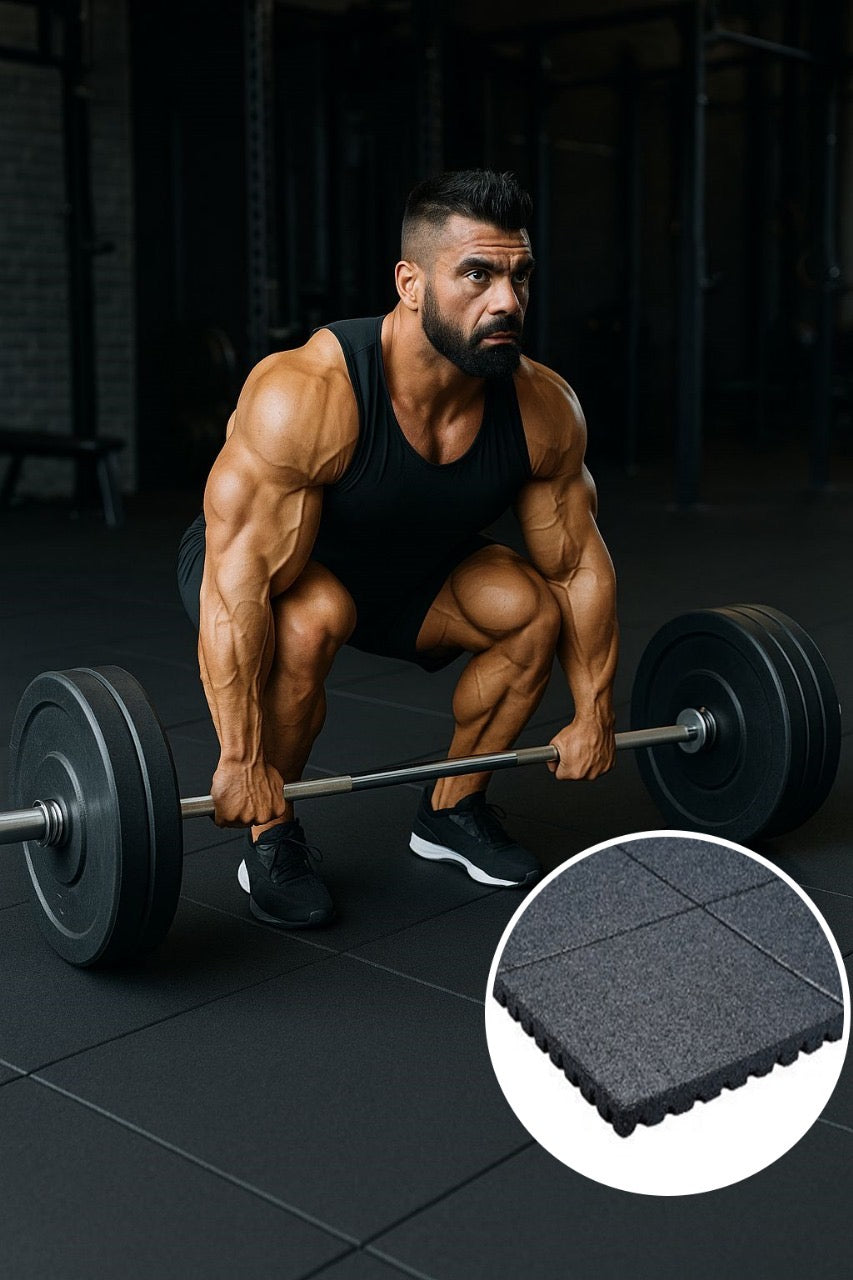
Our 15mm rubber flooring is the choice of serious lifters and professional facilities. This thickness provides exceptional impact protection, allowing for Olympic lifting and heavy barbell drops without damaging your subfloor. The enhanced shock-absorbing properties also mean better joint protection during your workouts. Many of our commercial gym clients choose 15mm for their main lifting areas.
For CrossFit boxes, Olympic lifting platforms, or areas where maximum weight will be regularly dropped from height, 20mm or thicker rubber flooring is essential. This heavy-duty option provides the ultimate in shock absorption and noise reduction, crucial for commercial facilities or serious home setups.
One question we're frequently asked concerns the rubber smell associated with new flooring. High-quality virgin rubber typically has minimal odour that dissipates within a few days with proper ventilation. Recycled rubber products may have a more noticeable smell initially, but this is completely normal and will fade. We recommend airing out your space for 24-48 hours after installation, particularly in enclosed areas.
Rubber gym flooring is remarkably versatile and can be installed over concrete, wood, tile, or existing vinyl flooring. However, the subfloor must be level, clean, and dry. Any significant irregularities should be addressed before installation to ensure proper adhesion and prevent premature wear. For uneven concrete floors common in UK garages and basements, we often recommend our gym flooring rolls which can better accommodate minor imperfections.
Accurately measuring your space is crucial. We recommend adding 5-10% to your square footage calculation to account for cuts and potential future expansion. For irregular room shapes, creating a scale drawing helps visualize your layout and minimize waste. Our customer service team has over a decade of experience helping UK customers calculate their flooring needs—don't hesitate to reach out for assistance.
Be honest about how you'll use your space. A casual home gym where you work out three times weekly has very different requirements from a garage gym where you're dropping Olympic weights daily. Commercial facilities need to consider not just the type of activities but the volume of daily users. This usage assessment directly impacts both the thickness and quality grade you should select.
One of the significant advantages of rubber gym flooring is the straightforward installation process. Most of our UK customers successfully install their flooring as a DIY project, saving considerable money on professional installation fees.
For most home gym applications, loose-lay installation is perfectly adequate. The weight of the rubber flooring, combined with the friction against the subfloor, keeps it securely in place. This method offers flexibility if you need to move or reconfigure your gym space in the future. Simply ensure your subfloor is clean and dry, roll out or place your rubber flooring, and you're ready to train.
Commercial facilities or high-traffic areas benefit from adhesive installation. This creates a permanent bond that prevents any shifting or movement. We recommend polyurethane-based adhesives specifically designed for rubber flooring. Apply adhesive to the subfloor using a trowel, following the manufacturer's coverage recommendations, then firmly press the rubber into place.
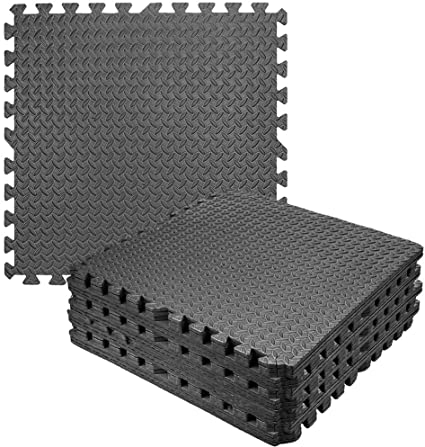
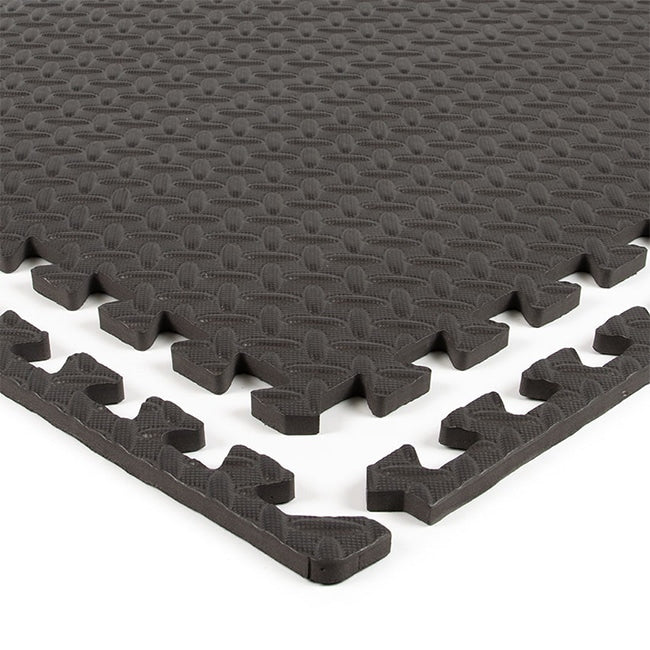
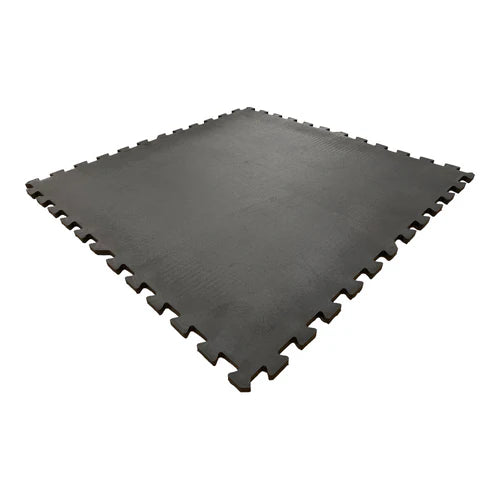
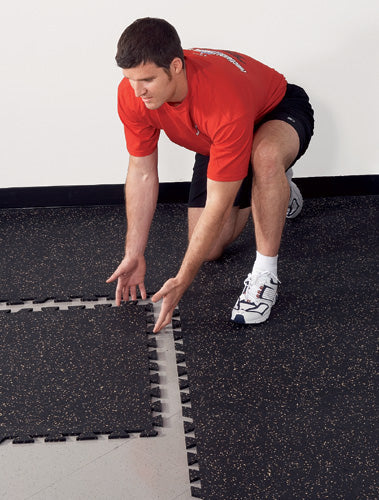
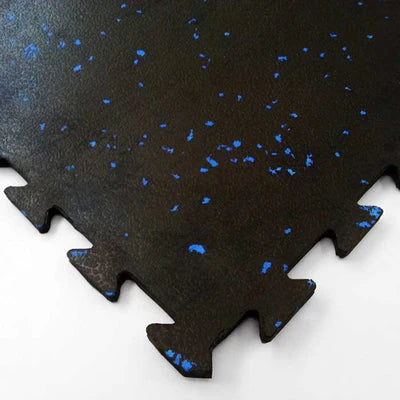
Our rubber gym mats with interlocking edges offer the easiest installation experience. These puzzle-piece designs lock together without adhesive while providing a more secure connection than loose-lay options. This system is particularly popular for home gyms where you might want to expand your training area over time.
Allow your rubber flooring to acclimate to room temperature for at least 24 hours before installation—this is particularly important in UK climates where storage temperatures can vary significantly. Start installation from the longest, straightest wall in your room, and use a sharp utility knife for any necessary cuts. For cutting around obstacles or creating intricate patterns, a jigsaw with a fine-tooth blade provides excellent results.
Proper maintenance extends the life of your rubber gym flooring investment and keeps it looking professional. Based on feedback from our long-term customers across the UK, here's what actually works.
Sweep or vacuum your rubber flooring daily to remove dust, dirt, and debris. This simple step prevents abrasive particles from being ground into the surface during workouts. A quick sweep takes less than five minutes but significantly extends your flooring's lifespan.
Mop your rubber gym flooring weekly with a pH-neutral cleaner diluted in warm water. Avoid harsh chemicals, bleach, or solvent-based cleaners that can degrade rubber over time. We've found that a simple solution of mild dish soap and water works excellently for most cleaning needs. The key is to avoid saturating the floor—a damp mop is all you need.
While rubber flooring is remarkably durable, a few precautions maximize longevity. Use equipment mats under stationary machines to prevent indentation from concentrated weight. Avoid dragging heavy equipment across the surface—lift and place instead. For outdoor installations or areas with direct sunlight exposure, UV-resistant rubber formulations prevent fading and deterioration.
For stubborn stains, a soft-bristled brush with a mild detergent solution usually does the trick. Oil-based stains from equipment can be treated with a degreasing agent, but always test in an inconspicuous area first. Most rubber flooring is remarkably resistant to staining, but prompt attention to spills prevents any potential issues.
Understanding the different formats helps you choose the right product for your space. Gym flooring rolls are ideal for covering large, open areas quickly with minimal seams. They're the go-to choice for commercial facilities and larger home gyms. The wide coverage reduces installation time and creates a more seamless appearance.
Rubber gym mats, particularly interlocking varieties, offer maximum flexibility for small spaces or areas where you might want to reconfigure your layout. They're perfect for apartment dwellers or those who might relocate their gym equipment periodically.
Rubber tiles provide a middle ground, offering easier handling than rolls while creating a more permanent installation than loose mats. Many of our customers use tiles for creating custom patterns or defining specific training zones within their gym.
Virgin rubber flooring, manufactured from new rubber compounds, typically offers superior durability, minimal odour, and more consistent colouring. It's the preferred choice for commercial installations and home gyms where aesthetics are a priority. Recycled rubber options provide excellent value and environmental benefits while still delivering the shock-absorbing and noise-reducing properties essential for gym flooring. For garage gyms and utility spaces where appearance is secondary to performance, recycled rubber is an intelligent choice.
For Olympic lifting where barbells are dropped from overhead, we recommend a minimum of 15mm thickness, with 20mm being ideal for maximum protection. This thickness provides adequate shock absorption to protect your subfloor and reduces noise significantly. If you're setting up a dedicated lifting platform, combining our rubber flooring with a wooden lifting surface creates the optimal setup.
Yes, rubber flooring is compatible with underfloor heating systems. However, choose a thinner option (6-10mm) for better heat transfer efficiency. Ensure your heating system maintains temperatures below 27°C to prevent any potential rubber degradation. Many of our UK customers successfully combine underfloor heating with rubber flooring, particularly in garage conversions where additional warmth is beneficial.
The most effective method is cross-ventilation—open windows and doors to create airflow across the room. Running fans to circulate air accelerates the off-gassing process. Most high-quality rubber flooring loses any noticeable odour within 48-72 hours. If smell is a particular concern, virgin rubber products have significantly less odour than recycled rubber options.
No, rubber flooring actually protects concrete floors from damage caused by dropped weights and equipment. The shock-absorbing properties of rubber prevent the impact forces from reaching your subfloor. This is why rubber flooring is essential for any space where weights will be used over concrete.
Yes, but you'll need specifically designed outdoor gym flooring that includes UV stabilizers and enhanced weather resistance. Standard indoor rubber flooring can degrade when exposed to direct sunlight and temperature fluctuations. Our outdoor-rated products are engineered to withstand British weather conditions year-round.
With proper care and maintenance, quality rubber gym flooring typically lasts 10-20 years in residential settings. Commercial installations with high daily usage may see 7-12 years of service life. The longevity depends on usage intensity, maintenance practices, and the quality of the flooring selected. Our heaviest-duty options have been in continuous use in UK commercial gyms for over 15 years with minimal wear.
Rubber flooring is one of the easiest gym surfaces to maintain. Daily sweeping and weekly mopping with a neutral pH cleaner is all that's required. The non-porous surface doesn't harbour bacteria, and spills wipe away easily. This ease of maintenance is why rubber has become the standard in commercial gyms where hygiene is paramount.
Absolutely. Rubber flooring is ideal for basement gyms as it's naturally moisture-resistant and provides excellent insulation against cold concrete floors. Ensure your basement floor is dry before installation—if moisture is present, address the source first or install a moisture barrier. The cushioning properties of rubber also make basement workouts more comfortable on your joints.
A sharp utility knife with a fresh blade cuts through rubber flooring up to 10mm thickness cleanly. For thicker options, scoring both sides and then snapping works well. A jigsaw with a fine-tooth blade is excellent for curves or intricate cuts. Always cut on a stable surface and use a metal straightedge as a guide for straight cuts.
Unlike laminate or hardwood flooring, rubber doesn't require expansion gaps around the perimeter. The material's composition allows it to accommodate temperature fluctuations without buckling. However, leaving a small gap (3-5mm) around fixed objects makes future removal easier if needed.
Yes, rubber flooring is designed to support heavy gym equipment. For particularly heavy stationary equipment like power racks or multi-station machines, we recommend placing equipment mats underneath to distribute weight and prevent indentation. This is especially important for equipment weighing over 200kg.
Our commercial gym flooring range is specifically engineered for high-traffic facilities. These heavy-duty options feature enhanced density and durability to withstand the demands of public gyms, CrossFit boxes, and training facilities. The key is selecting the appropriate thickness and quality grade for your expected usage levels.
Rubber flooring vastly outperforms foam in durability, weight capacity, and longevity. While foam mats are inexpensive, they compress permanently under heavy weights, tear easily, and need frequent replacement. Rubber flooring is a one-time investment that maintains its shock-absorbing properties and appearance for years. For any gym where free weights or heavy equipment will be used, rubber is the only sensible choice.
Quality rubber gym flooring typically comes with warranties ranging from 5 to 10 years for residential use, with shorter periods for commercial applications due to heavier wear. Our products are backed by comprehensive warranties that cover manufacturing defects and premature wear under normal use conditions. We stand behind our flooring because we've seen it perform reliably in thousands of UK gyms over the past decade.
Choosing rubber gym flooring is an investment in your training space that will pay dividends for years to come. The key is matching the flooring specification to your specific needs—considering thickness, format, quality grade, and installation method. Our team has over ten years of experience helping UK fitness enthusiasts and gym owners select the perfect flooring solution, and we're here to answer any questions specific to your situation.
Whether you're setting up a garage gym, outfitting a commercial facility, or creating an outdoor training area, the right rubber flooring transforms your space into a safe, professional, and motivating environment where you can focus on achieving your fitness goals.
Remember that the cheapest option rarely proves economical in the long run. Investing in quality rubber gym flooring from a trusted UK supplier ensures you receive a product that performs as promised, lasts for years, and provides the protection and safety your training deserves. Your flooring is the foundation of your gym—choose wisely, and it will support you through countless workouts to come.
Tell us your space, budget and equipment — we'll recommend the perfect match.