


Thickness Guide
Which thickness do I need?
4–6mm — Cardio, treadmills, yoga. Light floor protection.
10–12mm — Home gyms, dumbbells up to 30kg. Great all-rounder. Most Popular
16–17mm — Commercial gyms, heavy free weights, CrossFit.
20–30mm — Olympic lifting, deadlift platforms. Maximum protection.
Not sure? Ask our experts
✔️ EN 13893 Certified | ✔️ 900 kg/m³ Density | ✔️ 70% Impact Absorption | ✔️ CE & REACH
The most popular rubber floor tile for UK home gym conversions — garages, spare rooms, basements and loft spaces. 16mm of dense recycled SBR rubber provides the right balance of protection, noise reduction and cost for a home gym that works as hard as you do.
Why These Tiles?
- ✅ Covers a 4m × 5m garage gym with just 88 tiles — faster than you think to install
- ✅ Noise reduction 65% — crucial for upstairs rooms and shared walls
- ✅ No specialist tools needed — Stanley knife for cuts, no adhesive, one person job
- ✅ Works on concrete, timber and existing hard flooring
- ✅ EN 13893 certified — the same spec used in commercial gyms
| Specifications | |
|---|---|
| Thickness | 16mm |
| Tile Size | 500mm × 500mm |
| Coverage | 0.25m² per tile (4 tiles = 1m²) |
| Material | Recycled SBR Rubber |
| Density | 900 kg/m³ |
| Slip Resistance | EN 13893 certified |
| Impact Absorption | 70% force reduction |
| Noise Reduction | 65% sound dampening |
| Certifications | CE Certified, REACH Compliant |
| Installation | Puzzle interlock — no adhesive |
How Many Tiles Do You Need?
Each tile covers 0.25m² (500mm × 500mm). You need 4 tiles per m². Measure your room, multiply length × width, add 10% for cuts.
| Room Size | Area | Tiles (inc. 10%) |
|---|---|---|
| 3m × 3m | 9 m² | 40 tiles |
| 4m × 5m | 20 m² | 88 tiles |
| 6m × 6m | 36 m² | 160 tiles |
| 8m × 10m | 80 m² | 352 tiles |
Installation — No Adhesive, No Contractor
Tiles press together with the 4-sided puzzle edge. No adhesive, no tools, no specialist installer. A 20m² floor takes one person approximately 2 hours. Works on concrete, screed or timber. Do not install on carpet.
✔️ Free UK mainland delivery on all orders. Same-day dispatch before 2pm.
See All Rubber Gym Tiles
- 16mm Standard Interlocking Tiles
- 20mm Heavy Duty Tiles — for heavier drops
- 30mm Olympic Lifting Tiles — 200kg+ rated
Frequently Asked Questions
Q: How easy are these tiles to install in a home gym — do I need professional help?
A: Installation is genuinely DIY-friendly. The 500mm × 500mm interlocking puzzle tiles simply press together by hand — no adhesive, tools, or professional fitters required for most home gym setups. Most home gym floors can be completed in under an hour. Start from the centre of the room and work outwards for the best result.
Q: Will these tiles damage my home's floor underneath — laminate, concrete, or wood?
A: No — the rubber base is non-marking and non-abrasive. The tiles sit on the subfloor without adhesive (free-lay) in most home applications, so there's no permanent alteration. They actually protect laminate and wooden floors from dumbbell and weight plate impact damage.
Q: Are these tiles safe for children and pets in a home environment?
A: Yes. The tiles are CE marked and REACH compliant — free from restricted chemical substances. They're safe in home environments where children and pets may be present. The non-slip EN 13893 certified surface also reduces fall risk for family members using the space.
Q: What thickness do I need for a home gym — is 16mm enough?
A: 16mm is the standard recommended thickness for home gyms used for bodyweight training, dumbbell work, resistance machines, and light barbell training. The 70% impact absorption rating handles dumbbell drops and rack usage effectively. If you're regularly performing Olympic lifts or dropping barbells from overhead, consider a thicker lifting platform for that specific zone.
Q: How many tiles do I need and what will it cost to floor my home gym?
A: Each tile is 500mm × 500mm, so you need 4 tiles per square metre. Measure your room in m² and multiply by 4. A typical 3m × 3m home gym (9m²) needs 36 tiles. The interlocking system means minimal wastage, keeping your project cost efficient.
Q: Can I remove the tiles if I move house or want to reconfigure my gym layout?
A: Yes — free-lay interlocking tiles lift up completely without leaving residue or damaging the subfloor. This makes them ideal for rented properties or anyone who wants the flexibility to reconfigure or relocate their home gym. Tiles can be relaid multiple times without loss of quality.
Need Advice? Speak to a Flooring Specialist
Not sure which thickness, format or quantity is right for your project? Our flooring specialists are here to help — commercial quotes, sample requests and installation advice all available.
Trusted By Leading Organisations

















🧮 Flooring Calculator
Enter your room size and pick a product to see exactly what you need.


Customers Also Bought
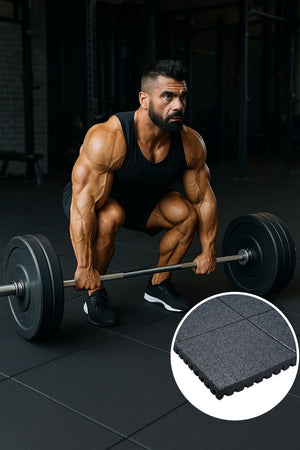 SALE
SALE30mm Rubber Gym Tiles | Olympic Lifting & CrossFit |...
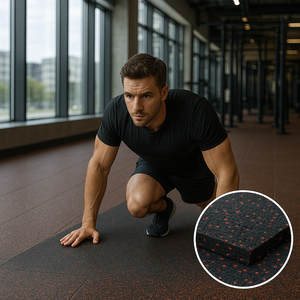 SALE
SALEHeavy-Duty Rubber Gym Flooring Rolls UK | Commercial...
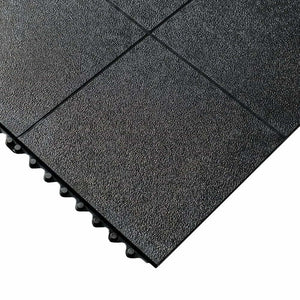 SALE
SALE17mm Interlocking Rubber Gym Mats | 80kg Drop Rated ...
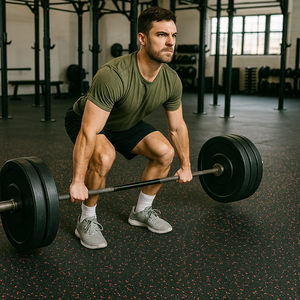 SALE
SALEHeavy-Duty Rubber Gym Flooring Rolls UK | Ultimate F...
Specify Your Gym Flooring With Confidence
Experience the Quality
Before You Commit
We send you a complimentary material sample so you can assess thickness, texture, and grip in your own space. No obligation. No cost.