Gym Flooring UK | #1 Specialist Gym Flooring Retailer | GymFlooringUK
12 products


12 products
GymFlooringUK is the UK's leading specialist supplier of gym flooring for home gyms, commercial fitness centres, CrossFit boxes, martial arts studios, and school sports halls. Our full range includes interlocking rubber tiles, rubber rolls, foam tiles, vinyl gym flooring, and bespoke cut-to-size solutions — all available with fast UK delivery.
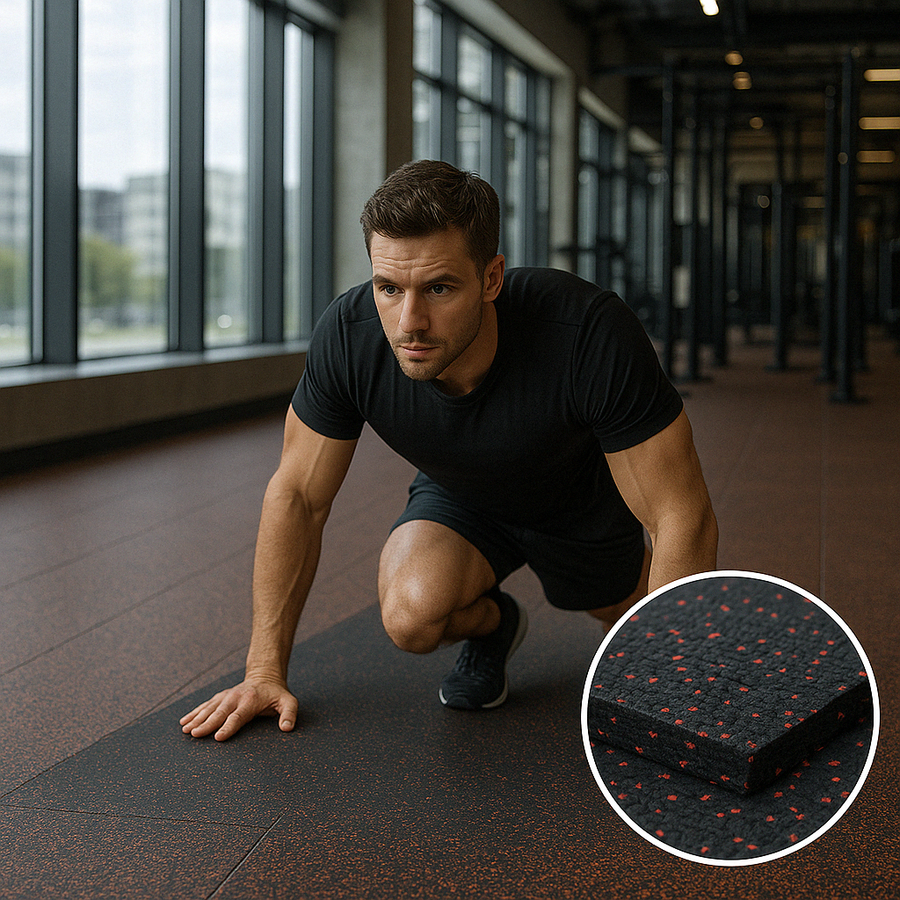
The best gym flooring depends on your specific use case. For general home gym use, 20mm interlocking rubber tiles are the most popular choice — they're easy to install, durable, and protect both your equipment and your existing floor. For commercial gyms and CrossFit boxes, 30mm rubber tiles or heavy-duty rubber rolls offer superior durability and noise reduction. For martial arts and combat sports, specialist judo or crash mat flooring is recommended.
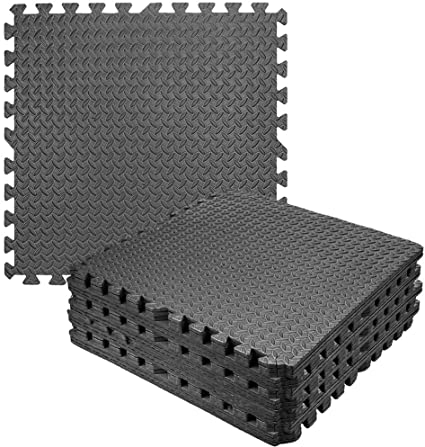
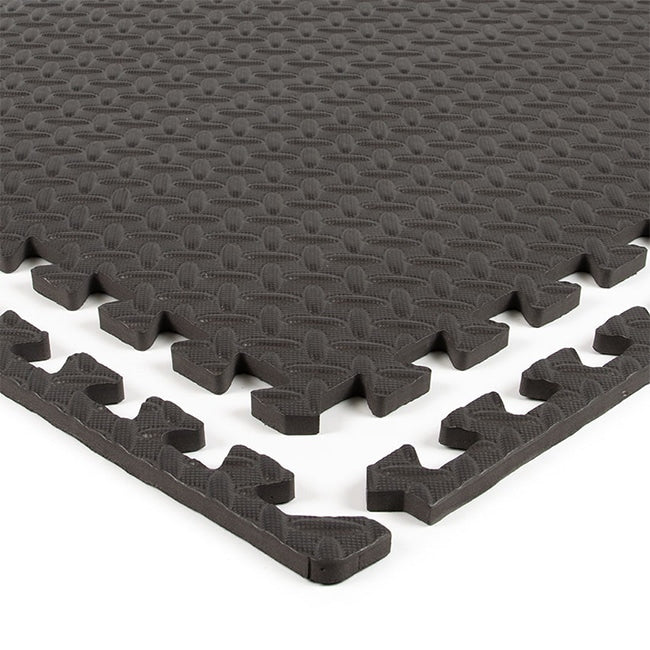
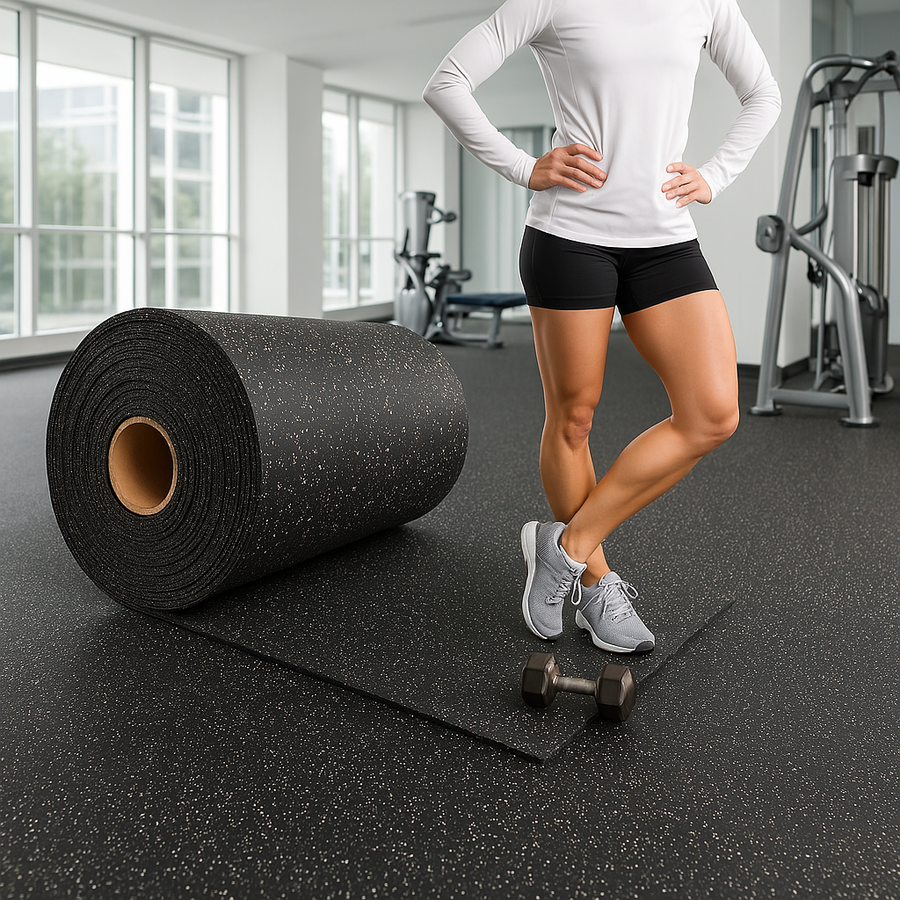
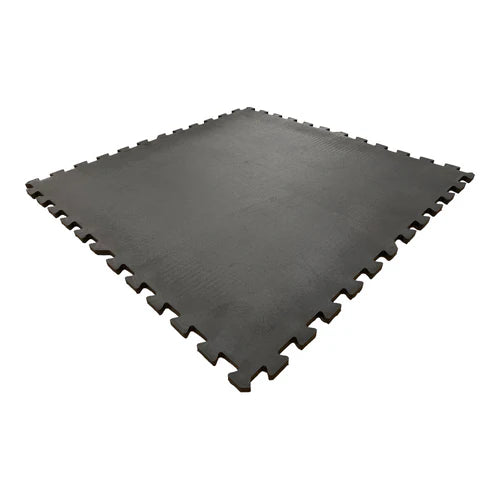
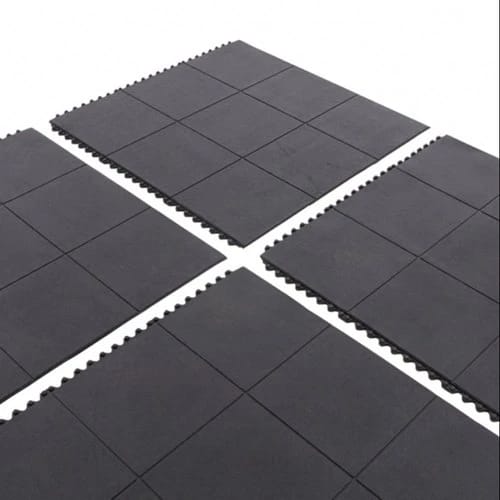
We stock five core types of gym flooring. Rubber interlocking tiles (15mm–50mm) are ideal for weightlifting and functional training areas. Rubber gym rolls (4mm–8mm) cover large areas cost-effectively and work well in cardio and stretching zones. EVA foam tiles (15mm–25mm) are lightweight and suitable for low-impact activities and kids' play areas. Vinyl sports flooring is hygienic and easy to clean, making it popular in commercial gym changing rooms and spin studios. Rubber matting rolls by the metre offer the most flexibility for custom-sized spaces.
Gym flooring prices in the UK vary by material and thickness. Standard 10mm rubber rolls cost from £5–£8 per square metre. Popular 20mm interlocking rubber tiles are priced from £14–£20 per square metre. Premium 30mm tiles for CrossFit and Olympic lifting range from £22–£35 per square metre. EVA foam tiles start at £6–£10 per square metre. For a typical 20 square metre home gym, expect to budget between £280 and £700 depending on the specification chosen.
Yes — rubber gym flooring is widely regarded as the best flooring option for home gyms. It provides excellent shock absorption to protect your concrete or wooden sub-floor from heavy equipment, reduces impact noise for neighbours and other household members, and offers a non-slip surface during high-intensity workouts. Interlocking rubber tiles in particular are ideal for home gym use because they require no adhesive, can be installed in hours, and can be removed and reinstalled if you move home.
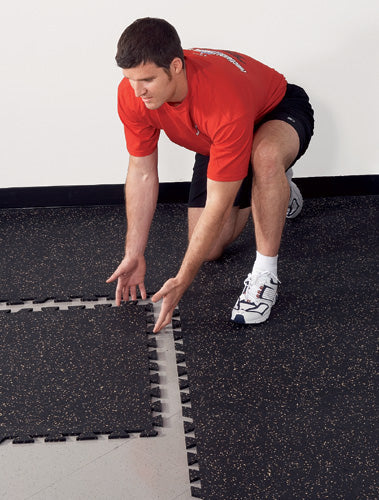
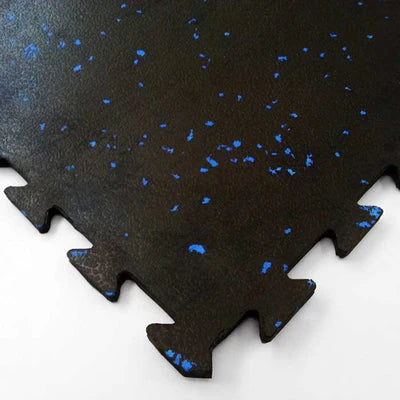
Installing rubber gym tiles yourself is straightforward. First, clean and dry your sub-floor thoroughly. Lay the tiles starting from the centre of the room and work outwards to ensure even borders on all sides. Interlock tiles by pressing the puzzle-edge connectors firmly together. Use a sharp craft knife or jigsaw to cut border tiles to fit around walls and obstacles. No adhesive is required for most home gym installations — the weight of the tiles combined with the rubber grip base holds them in position. For step-by-step installation guidance, visit our installation guide blog post.
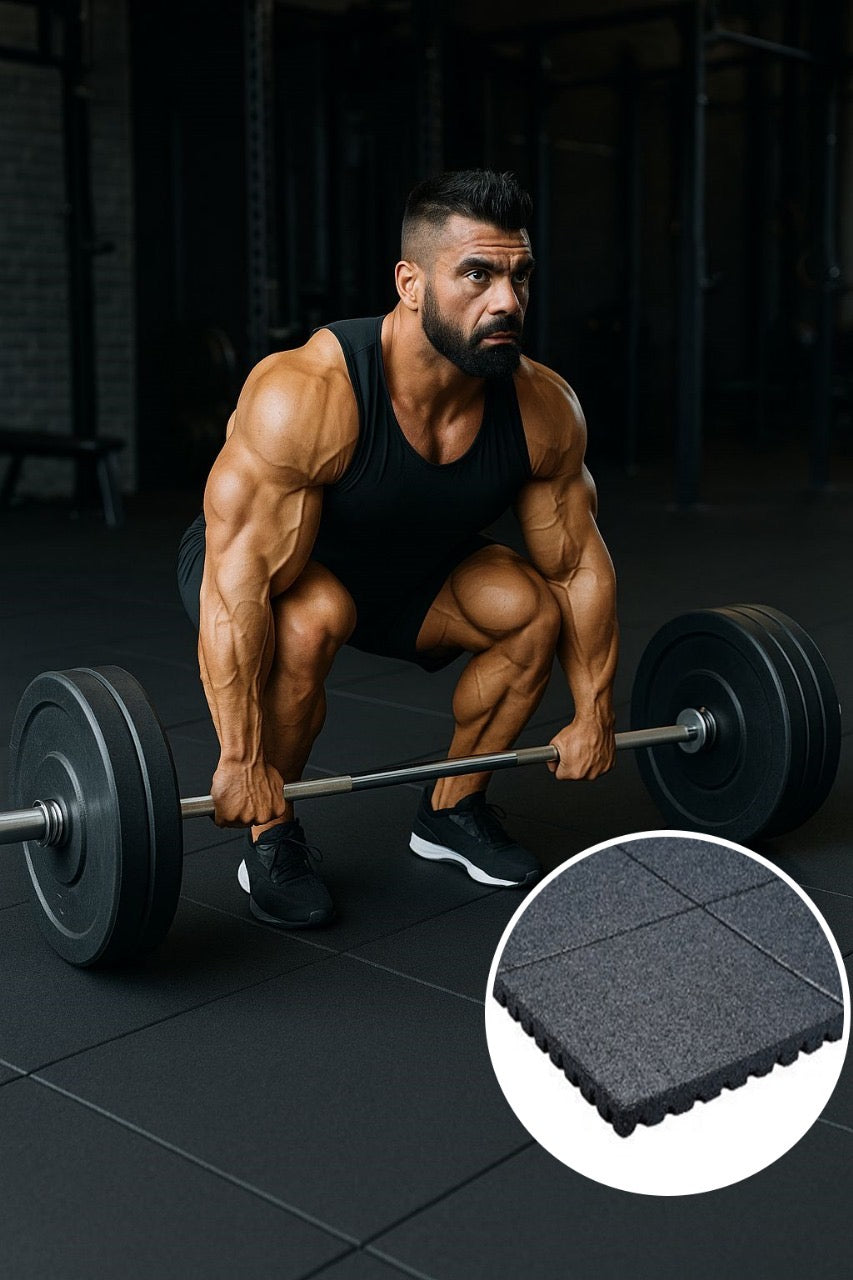
Selecting the right gym flooring thickness is crucial. A 6–10mm thick rubber mat or roll is suitable for cardio equipment, treadmills, and exercise bikes. A thickness of 15–20mm is recommended for free weights, resistance training, and general gym use. For Olympic weightlifting, powerlifting, and CrossFit with heavy barbell drops, 30mm is the minimum recommended thickness, with 40mm–50mm for maximum protection. If you're unsure which thickness is right for you, contact our expert team for personalised advice.
All products on this page are held in stock at our UK warehouse. Standard orders are dispatched within 1–2 business days. Free delivery applies to all orders over £150 (mainland UK). For large commercial projects, we offer pallet delivery and project management support. Request a free sample to see and feel the quality before ordering.
Tell us your space, budget and equipment — we'll recommend the perfect match.