





Rubber Horse Mats vs Gym Flooring: Are They the Same? UK 2026
Rubber Horse Mats vs Gym Flooring: Are They the Same? UK Guide 2026
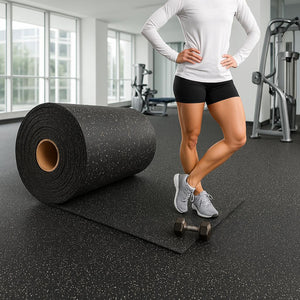
Rubber horse mats are not the same as gym flooring and are not recommended for home gyms. Although they are similar in appearance and both made from recycled rubber, horse stall mats are designed for animal welfare — not athletic performance. Key differences: horse mats emit a stronger, longer-lasting sulphur smell; they lack fire safety certification (B1 rating) required for gym use; their surface texture is not optimised for non-slip grip during exercise; and dimensional tolerance is poor, leaving gaps between tiles that create tripping hazards. Purpose-built rubber gym tiles cost only slightly more but are certified, safer, and more durable for training.
Why People Consider Horse Mats for Home Gyms
When setting up a home gym on a budget, many fitness enthusiasts stumble across rubber horse mats as an apparently cost-effective flooring solution. These thick, black rubber mats—originally designed for horse stalls—can be found at agricultural supply stores for a fraction of the cost of purpose-built gym flooring. At first glance, the appeal is obvious: they're typically 3/4 inch thick, provide cushioning, and cost significantly less than commercial gym tiles.
The reasoning seems logical. If horse mats can withstand the weight and impact of 1,000-pound horses, surely they can handle your deadlifts and kettlebell drops? This line of thinking has made horse stall mats a popular discussion topic in fitness forums and budget home gym communities. However, this apparent bargain comes with serious hidden costs and compromises that most people don't discover until after installation.
The Hidden Problems with Horse Mats in Gyms
Chemical Treatments for Agricultural Use
The fundamental issue with horse stall mats is that they're manufactured for an entirely different purpose than human fitness. These mats are specifically treated with antimicrobial and antifungal chemicals designed to prevent hoof rot and other equine health issues. While these treatments are beneficial in a stable environment, they can create significant problems in enclosed home gym spaces.
These chemical treatments can off-gas volatile organic compounds (VOCs) at levels much higher than what's considered safe for enclosed human environments. Unlike professional gym flooring that meets indoor air quality standards, horse mats are designed for well-ventilated agricultural buildings with constant airflow.
Extreme Rubber Smell and VOC Off-Gassing
Anyone who has installed horse mats indoors can attest to the overwhelming rubber smell that can persist for months or even years. This isn't just an unpleasant odor—it's a sign of chemical off-gassing that can cause headaches, respiratory irritation, and other health issues. The smell is so intense that many people report being unable to use their gym space for weeks after installation.
Commercial gym flooring undergoes different manufacturing processes and uses materials specifically chosen for indoor use. While some initial odor is normal with any rubber product, professional gym tiles typically air out within days rather than months, and the chemical composition is designed to meet indoor air quality standards.
Inconsistent Thickness and Quality Issues
Horse mats suffer from significant quality control issues when it comes to thickness consistency. Manufacturing tolerances for agricultural use are much looser than those required for fitness flooring. It's common to find thickness variations of up to 3mm within a single mat, and even greater variations between different mats.
This inconsistency creates several problems:
- Uneven surfaces that can cause instability during exercises
- Gaps and ridges where mats don't align properly
- Potential tripping hazards at mat seams
- Difficulty achieving a professional, finished appearance
Professional rubber gym tiles are manufactured to much tighter tolerances, ensuring consistent thickness and a level surface that's safe for dynamic movements and heavy equipment.
No Interlocking System
Most horse mats are designed as individual rectangular pieces without any interlocking mechanism. This means they rely solely on their weight to stay in place, which creates several issues:
- Mats can shift during intense workouts
- Gaps develop between mats over time
- No way to create a seamless, professional appearance
- Difficulty creating custom layouts for specific gym configurations
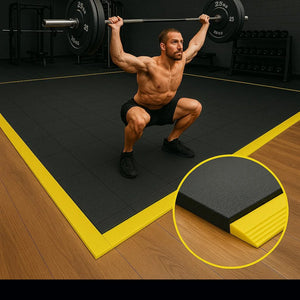
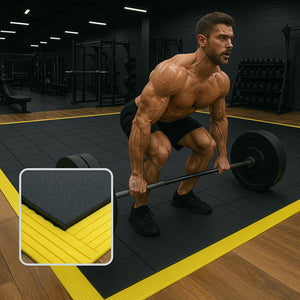
Modern gym flooring systems feature sophisticated interlocking designs that create a unified surface. These systems prevent shifting, eliminate gaps, and allow for easy reconfiguration as your gym needs change.
Weight and Installation Challenges
Horse mats are extremely heavy, typically weighing 100+ pounds each. This creates significant challenges:
- Requires multiple people for safe handling
- Difficult to maneuver in tight spaces
- Nearly impossible to remove and relocate
- Potential for injury during installation
The weight also makes them impractical for upper-floor installations without structural reinforcement. Many apartment dwellers and homeowners discover too late that their floor can't safely support the distributed weight of multiple horse mats plus gym equipment.
Cutting and Customization Difficulties
Horse mats are notoriously difficult to cut and customize. The dense rubber requires specialized tools and significant effort to cut clean edges. This becomes problematic when you need to:
- Fit around walls, doors, or fixtures
- Create openings for power outlets or floor drains
- Modify the layout as your gym evolves
- Replace damaged sections
Professional gym tiles often come in modular sizes that reduce the need for cutting, and when cutting is necessary, the materials are designed to be easily worked with standard tools.
Warranty and Liability Issues
No Warranty for Gym Use
When you purchase horse mats for use in a home gym, you're using the product outside its intended application. This means:
- Manufacturer warranties become void
- No recourse if the mats fail prematurely
- Potential insurance issues if injury occurs
- No manufacturer support for installation guidance
Professional gym flooring comes with warranties specifically covering fitness use, giving you protection and peace of mind for your investment.
Slip Risk When Wet
Horse mats develop a dangerously slippery surface when exposed to moisture—whether from sweat, spilled drinks, or cleaning. The smooth surface that works well in agricultural settings becomes a liability in fitness environments where perspiration is inevitable.
This slip risk is particularly concerning during high-intensity workouts when sweat production is highest and coordination may be compromised by fatigue. Professional gym flooring incorporates textured surfaces designed to maintain grip even when wet.
Industrial Appearance vs Professional Aesthetics
Horse mats give your gym an unmistakably industrial, utilitarian appearance. While some people embrace this aesthetic, it can:
- Reduce your home's value if the gym is in a visible area
- Create an uninspiring workout environment
- Look unprofessional if you train clients or teach classes
- Be difficult to coordinate with home décor
Modern gym flooring options come in various colors, textures, and patterns that can complement your space while maintaining professional performance characteristics.
Long-Term Cost Analysis
The Hidden Costs of Horse Mats
While horse mats appear cheaper upfront, the total cost of ownership often exceeds that of professional gym flooring:
- Installation costs: Require more labor due to weight and difficulty handling
- Additional ventilation: May need enhanced air circulation to manage odors
- Replacement costs: Shorter lifespan when used outside intended application
- Health costs: Potential medical expenses from poor air quality exposure
- Opportunity costs: Time lost when gym is unusable due to odor issues
Professional Gym Flooring: Worth the Premium
When you factor in the total cost of ownership, professional gym flooring often provides better value:
- Longer warranty periods and manufacturer support
- Faster installation with less labor required
- Immediate usability without odor concerns
- Better resale value and aesthetic appeal
- Designed specifically for fitness use
When Rubber Gym Tiles Are Worth the Premium
Indoor Air Quality
If your gym is in an enclosed space—basement, garage, spare room—proper indoor air quality becomes crucial. Professional gym flooring is manufactured to meet indoor air quality standards, reducing health risks and creating a more pleasant workout environment.
Interlocking Systems
For gyms that may need reconfiguration or expansion, interlocking tile systems provide unmatched flexibility. You can easily add sections, reconfigure layouts, or relocate your gym without starting from scratch.
Aesthetic Considerations
If your gym is in a visible area of your home or if you plan to use the space for multiple purposes, the aesthetic advantage of professional flooring justifies the additional cost.
Safety Requirements
For commercial gyms, fitness studios, or any application involving clients or students, professional flooring isn't just recommended—it's often required by insurance and safety regulations.
Making the Right Choice for Your Situation
The decision between horse mats and professional gym flooring ultimately depends on your specific situation: Horse mats might work if:
- You have excellent ventilation (outdoor or open-air setup)
- Aesthetics aren't important
- You have help with installation
- You don't mind potential odor issues
- Budget is the absolute priority
- Your gym is indoors
- Air quality and health are priorities
- You want a professional appearance
- Easy installation and maintenance matter
- You value manufacturer warranties and support
Frequently Asked Questions
How long does the smell from horse mats last?
The intense rubber smell from horse mats can persist for 3-12 months in enclosed spaces, and some users report lingering odors lasting over a year. The smell duration depends on ventilation, temperature, and the specific chemical treatments used.
Can I speed up the off-gassing process for horse mats?
While some methods like pressure washing, sunlight exposure, and increased ventilation may help, there's no guaranteed way to eliminate the chemical off-gassing quickly. Professional gym flooring avoids this issue entirely.
Are horse mats safe for deadlifts and heavy weights?
While horse mats can handle heavy weights, their inconsistent thickness and tendency to shift can create unstable surfaces. Professional gym flooring provides more reliable performance for heavy lifting.
What's the price difference between horse mats and gym flooring?
Horse mats typically cost £30-50 per mat (covering about 24 square feet), while professional gym flooring ranges from £3-8 per square foot. However, when factoring in installation difficulty, longevity, and potential health costs, the price gap narrows significantly.
Can I use horse mats temporarily while saving for proper flooring?
This approach often backfires because the time and effort required to install and later remove horse mats often exceeds the cost savings. Additionally, the health impacts from chemical exposure may not be worth the temporary savings.
Ready to Invest in Proper Gym Flooring?
Don't compromise your health, safety, and workout experience with unsuitable horse mats. Our professional rubber gym flooring collection offers the performance, safety, and aesthetics your home gym deserves. Browse our selection of interlocking tiles, rolled flooring, and specialty mats designed specifically for fitness use.
Get expert advice on the right flooring for your space—contact our team today!
