





Is 15mm Gym Flooring Thick Enough? UK Guide to Thickness by Activity
Is 15mm Gym Flooring Thick Enough? UK Guidance for Home & Commercial Gyms
Yes — 15mm rubber gym flooring is thick enough for most home gym activities including cardio machines, bodyweight training, and light-to-moderate dumbbell use. It is not suitable for heavy barbell drops, Olympic lifting, or commercial gyms with frequent heavy-load training.
When 15mm Gym Flooring Is Enough
15mm rubber tiles are appropriate for the following gym uses:
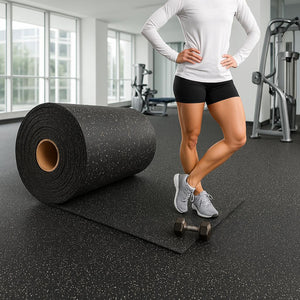
- Cardio machines — treadmills, stationary bikes, rowing machines, ellipticals
- Bodyweight training — press-ups, lunges, burpees, stretching, yoga, pilates
- Light dumbbell work — up to 20kg dumbbells placed or lowered carefully
- Resistance machines — cable machines, leg press, lat pulldown
- Boxing and martial arts — used as a base layer under tatami or foam mats
- Garage storage areas and utility rooms requiring anti-fatigue flooring
When 15mm Is NOT Thick Enough
Do not use 15mm flooring in the following situations:
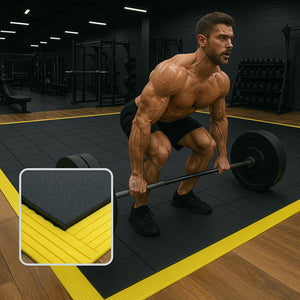
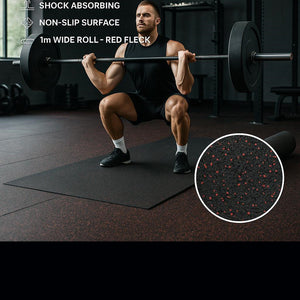
- Heavy barbell deadlifts — the impact from dropping 60kg+ will transmit to the subfloor and damage it over time
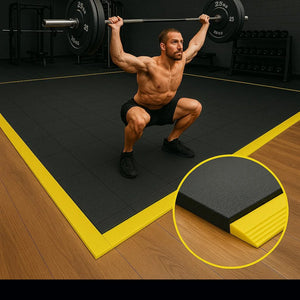
- Olympic weightlifting — snatch and clean and jerk involve full drops from overhead, which require 30–40mm minimum
- Heavy squats with accidental drops — a missed squat can result in the bar hitting the floor from height
- Commercial gym environments — daily heavy use degrades 15mm tiles quickly and the subfloor protection is insufficient
- Dropping dumbbells over 25kg — repeated impacts will compress and crack 15mm tiles prematurely
15mm vs 20mm: What Is the Actual Difference?
The practical difference between 15mm and 20mm gym flooring is in impact absorption and longevity under load. 20mm tiles absorb roughly 30% more impact per square metre than 15mm. For light use this difference is negligible, but for any regular weightlifting it becomes significant over time. 20mm tiles also resist edge cracking and delamination better than 15mm under heavy traffic.
If you are in doubt, choose 20mm. The price difference is typically £3 to £5 per m², which on a 15m² home gym adds approximately £45 to £75 — worthwhile for the extra protection and lifespan.
Is 8mm Gym Flooring Thick Enough?
8mm rubber flooring is too thin for any gym use involving weights. It provides minimal impact absorption and will not protect your subfloor from dropped equipment. 8mm is suitable for garage workshop areas, van liners, horse stall mats, and anti-fatigue standing mats — not gym floors. The minimum for a light home gym is 10mm; the recommended minimum for any weight training is 15mm.
Quick Thickness Guide by Activity
| Activity | Minimum Thickness | Recommended |
|---|---|---|
| Cardio only | 8mm | 10–15mm |
| Bodyweight / yoga | 10mm | 15mm |
| Light dumbbells (under 20kg) | 15mm | 15–20mm |
| Moderate barbell training | 20mm | 20mm |
| Heavy deadlifts / squats | 20mm | 30mm |
| Olympic lifting with full drops | 30mm | 40mm + platform |
| Commercial gym (general) | 20mm | 30mm |
Buying 15mm or 20mm Gym Flooring in the UK
Both 15mm and 20mm rubber gym tiles are available from Gym Flooring UK with free delivery to mainland UK on qualifying orders. All tiles carry a 3-year warranty. If you are unsure which thickness suits your space, request a free sample or contact our team for advice.
Frequently Asked Questions
Is 15mm thick enough for gym flooring with a squat rack?
For a squat rack where you are performing squats with controlled unracking and reracking, 15mm is sufficient. If you are dropping the bar or fail lifts are a possibility, upgrade to 20mm or 30mm for the area directly under the rack.
Can I use 15mm flooring under a deadlift bar?
Only if you never drop the bar. If you control the bar down to the floor every rep, 15mm is adequate. If you drop the bar at all — even occasionally — use 20mm minimum, or fit 20mm with a deadlift platform on top.
Does 15mm rubber flooring reduce noise?
15mm rubber provides moderate noise and vibration reduction from footfall and light equipment use. It will not significantly reduce impact noise from dropped weights. For noise reduction in flats or first-floor gyms, use 20mm to 30mm tiles and consider adding an acoustic underlay beneath.
