




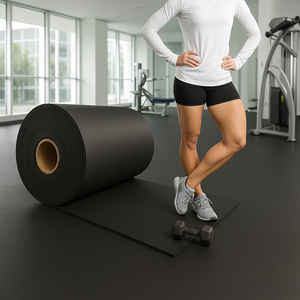


Gym Flooring for Schools and Universities: UK Requirements Guide
Understanding UK Educational Facility Flooring Requirements
Selecting appropriate gym flooring for schools and universities in the UK involves navigating a complex web of regulations, standards, and guidelines designed to ensure student safety, accessibility, and optimal sporting performance.
Unlike residential gym flooring, educational facility flooring must meet stringent requirements that address everything from fire safety to disability access, making the selection process both critical and challenging for administrators and facilities managers.
The consequences of choosing inappropriate flooring extend far beyond initial cost considerations. Non-compliant flooring can result in insurance issues, liability concerns, failed inspections, and potentially dangerous conditions for students and staff.
This comprehensive guide will help educational facilities navigate the regulatory landscape and make informed decisions about their gym flooring investments.
Department for Education (DfE) Building Bulletin Guidelines
Building Bulletin 98: Briefing Framework for Primary School Projects
The DfE Building Bulletin 98 establishes fundamental requirements for primary school sports facilities, including specific guidance on flooring materials and performance standards. Key requirements include:
- Impact absorption: Flooring must provide adequate shock absorption to prevent injury during falls
- Surface stability: Non-slip characteristics under both dry and wet conditions
- Durability standards: Minimum lifespan expectations based on anticipated usage levels
- Maintenance requirements: Ease of cleaning and long-term care considerations
Building Bulletin 99: Briefing Framework for Secondary School Projects
Building Bulletin 99 addresses the more intensive requirements for secondary schools, where sports facilities experience higher usage and accommodate more demanding activities:
- Multi-sport compatibility: Flooring must support various sports with different performance requirements
- Line marking systems: Ability to accommodate multiple court configurations
- Equipment compatibility: Resistance to damage from sports equipment and wheeled apparatus
- Traffic volume considerations: Enhanced durability for high-traffic educational environments
Building Bulletin 102: Designing for Disabled Children and Children with SEN
This bulletin specifically addresses accessibility requirements that directly impact flooring selection:
- Wheelchair accessibility: Smooth transitions and appropriate surface textures
- Visual contrast: Floor markings and boundaries must provide adequate visual contrast for visually impaired students
- Sensory considerations: Flooring materials must not create excessive noise or sensory distraction
- Safety margins: Additional safety factors for students with mobility challenges
Sport England Specifications and Standards
Technical Design Guidance Notes
Sport England provides detailed technical guidance for sports facility design, with specific requirements for different types of sporting activities. Their specifications cover:
- Area elastic vs point elastic systems: Different sports require different levels of surface deformation
- Force reduction requirements: Minimum shock absorption percentages for various activities
- Surface friction specifications: Optimal slip resistance for different sports
- Ball bounce characteristics: Consistent ball rebound for court sports
Facility Mix Guidelines
For educational facilities that host multiple sports, Sport England guidelines emphasize:
- Compromise solutions: Flooring that performs adequately across multiple sports
- Activity zoning: Different flooring types for different activity areas within the same facility
- Future flexibility: Considering changing curriculum needs and sports programs
- Community use requirements: Additional considerations for dual-use facilities
BS EN 14904 Sports Floor Standard Requirements
Understanding BS EN 14904 Classifications
The BS EN 14904 standard is the European standard for sports flooring and provides detailed performance requirements across six key criteria: 1. Shock Absorption (Force Reduction)
- Measured as percentage of force reduction compared to concrete
- Minimum requirements vary by sport (typically 35-55%)
- Higher values indicate better impact protection
2. Vertical Deformation
- How much the floor deflects under standard impact
- Affects athlete performance and injury prevention
- Measured in millimeters under standardized load
3. Surface Friction
- Slip resistance characteristics
- Measured using standardized testing protocols
- Must balance traction with freedom of movement
4. Ball Bounce
- Consistency and height of ball rebound
- Critical for court sports like basketball and netball
- Must meet sport-specific percentage requirements
5. Rolling Load
- Resistance to permanent deformation from rolling equipment
- Important for equipment storage and transport
- Measured under standardized wheeled load conditions
6. Sliding Characteristics
- How the surface responds to sliding movements
- Affects player safety and performance
- Particularly important for sports involving directional changes
Sport-Specific BS EN 14904 Requirements
Different sports have specific performance requirements under BS EN 14904: Basketball/Netball:
- Force reduction: 35-50%
- Ball bounce: 90-105% of reference value
- Surface friction: 0.4-0.7
Gymnastics:
- Force reduction: 45-60%
- Higher shock absorption for safety
- Consistent surface characteristics
Multi-sport (School Gyms):
- Balanced performance across criteria
- Force reduction: 35-55%
- Good durability and maintenance characteristics
Fire Rating Requirements: BS EN 13501-1
Minimum Fire Rating Standards
All educational facility flooring must meet minimum fire safety standards under BS EN 13501-1. For sports halls and gymnasiums, the requirements are:
- Minimum rating: B-s1,d0
- Class B: Limited contribution to fire growth
- s1: Limited smoke production
- d0: No flaming droplets/particles within 600 seconds
Enhanced Requirements for High-Risk Areas
Some areas within educational facilities may require higher fire ratings:
- Escape routes: May require A2-s1,d0 or better
- Assembly areas: Higher capacity areas need enhanced fire performance
- Underground spaces: Basement sports facilities have stricter requirements
- High-rise buildings: Upper floors may need improved fire characteristics
Installation Considerations
Fire rating requirements extend beyond the flooring material itself:
- Adhesive systems: Must not compromise overall fire rating
- Underlay materials: All system components must meet requirements
- Transition strips: Perimeter materials must maintain fire performance
- Documentation: Proper certification and testing records required
Slip Resistance Standards (PTV 36+)
Understanding Pendulum Test Values (PTV)
Slip resistance is measured using the Pendulum Test Method (BS 7976), which produces a Pendulum Test Value (PTV). For educational sports facilities:
- Minimum requirement: PTV 36+
- Wet testing: Must maintain slip resistance when wet
- Cleaning protocol impact: Values must remain stable after cleaning
- Wear resistance: Slip resistance must not deteriorate significantly with use
Testing Conditions and Maintenance
PTV testing must account for real-world conditions:
- As-installed testing: Initial PTV values after installation
- Wet condition testing: Performance when contaminated with water
- Contamination resistance: Response to typical gym contaminants (sweat, dust)
- Cleaning system compatibility: Maintaining PTV after routine maintenance
Sport-Specific Slip Resistance Needs
Different sports place varying demands on slip resistance:
- Court sports: Need optimal balance between grip and slide
- Gymnastics: Higher slip resistance for safety during dismounts
- Martial arts: Specific surface texture requirements
- Multi-sport areas: Compromise solution accommodating various needs
Accessibility and Equality Act 2010 Compliance
Reasonable Adjustments for Disabled Students
The Equality Act 2010 requires educational institutions to make reasonable adjustments for disabled students, affecting flooring choices:
- Wheelchair access: Smooth transitions and appropriate surface textures
- Visual impairment support: Contrasting colors and tactile guidance
- Mobility aid compatibility: Surfaces that work with walking aids
- Sensory considerations: Acoustic properties and texture sensitivity
Design for Inclusive Access
Inclusive design principles for educational sports flooring include:
- Level access: Eliminating steps and sudden level changes
- Visual contrast: Court markings visible to students with visual impairments
- Surface texture: Consistent, predictable feel underfoot
- Acoustic design: Managing reverberation for hearing aid users
Documentation and Compliance Evidence
Maintaining compliance requires proper documentation:
- Accessibility audit reports: Regular assessment of facility accessibility
- Student feedback systems: Ongoing evaluation of accessibility effectiveness
- Adjustment records: Documentation of reasonable adjustments made
- Professional consultations: Specialist advice on accessibility improvements
Multi-Sport Line Marking Compatibility
Planning for Multiple Sports
Multi-sport line marking requires careful planning and appropriate flooring selection:
- Color compatibility: Flooring color that provides contrast with all required line colors
- Application methods: Permanent vs temporary marking systems
- Maintenance access: Ability to refresh or modify markings over time
- Storage considerations: Space for removable court equipment
Common Multi-Sport Configurations
Typical educational facilities accommodate:
- Basketball/Netball: Similar court dimensions, compatible requirements
- Badminton: Multiple courts within larger spaces
- Volleyball: Net positioning and court boundary considerations
- Indoor football: Larger playing area, different surface requirements
- Cricket nets: Specific flooring performance for ball bounce
Line Marking Material Options
Different marking approaches have various implications:
- Painted lines: Permanent, cost-effective, limited flexibility
- Applied tapes: Semi-permanent, good visibility, moderate cost
- Inlaid systems: Permanent, durable, higher initial cost
- Projection systems: Maximum flexibility, higher technology requirements
Budget Procurement Tips for Educational Facilities
Whole-Life Cost Analysis
Educational procurement must consider total ownership costs, not just initial purchase price:
- Installation costs: Professional installation requirements and timelines
- Maintenance expenses: Daily cleaning, periodic deep cleaning, and repairs
- Replacement scheduling: Expected lifespan and replacement planning
- Performance degradation: How performance changes over time
- Warranty terms: Coverage periods and what's included
Framework Agreements and Bulk Purchasing
Educational institutions can achieve cost savings through:
- Local authority frameworks: Pre-negotiated pricing and vetted suppliers
- Multi-academy trust purchasing: Combined purchasing power across multiple schools
- Regional consortiums: Collaborative procurement with neighboring institutions
- Seasonal timing: Scheduling installations during favorable pricing periods
Funding Sources and Capital Planning
Various funding mechanisms support sports facility improvements:
- Capital improvement grants: Government funding for facility upgrades
- Sport England funding: Grants for sports facility development
- Community partnerships: Shared funding for dual-use facilities
- Phased implementation: Spreading costs across multiple budget cycles
Maintenance Requirements for High-Traffic School Use
Daily Maintenance Protocols
High-traffic educational environments require robust daily maintenance:
- Inspection routines: Daily safety checks before activities begin
- Cleaning schedules: Multiple cleaning sessions during heavy usage days
- Spill management: Immediate response protocols for liquid spills
- Equipment damage prevention: Guidelines for equipment movement and storage
Periodic Deep Cleaning
Regular deep cleaning maintains both appearance and performance:
- Weekly intensive cleaning: Specialized equipment and cleaning products
- Monthly assessment: Detailed inspection and targeted maintenance
- Holiday period maintenance: Major cleaning and repair work during breaks
- Professional services: Annual professional deep cleaning and assessment
Staff Training and Safety
Proper maintenance requires trained staff:
- Cleaning product training: Safe and effective use of specialized cleaners
- Equipment operation: Proper use of floor maintenance machinery
- Safety protocols: Personal protective equipment and ventilation requirements
- Problem identification: Early detection of wear patterns and damage
Choosing the Right Flooring System
Point Elastic vs Area Elastic Systems
Understanding the two main categories of sports flooring helps inform decisions: Point Elastic Systems (like quality rubber tiles):
- Deformation occurs primarily at point of impact
- Good for multi-sport applications
- More cost-effective for educational budgets
- Easier maintenance and repair
Area Elastic Systems (sprung floors):
- Larger area deflects under load
- Superior performance for specific sports
- Higher initial investment required
- More complex maintenance requirements
Selecting Appropriate Rubber Gym Flooring
For most educational applications, quality rubber flooring offers excellent value:
- Compliance capability: Can meet all relevant UK standards
- Durability: Withstands high-traffic educational environments
- Maintenance efficiency: Easy to clean and maintain with school resources
- Cost-effectiveness: Good performance-to-price ratio
- Installation flexibility: Can accommodate existing facility constraints
Frequently Asked Questions
What happens if our school's gym flooring doesn't meet current standards?
Non-compliant flooring can result in failed inspections, insurance issues, and potential liability in case of injuries.
Schools should conduct regular assessments and plan for upgrades as part of their capital improvement programs. Immediate risks should be addressed through temporary measures while planning permanent solutions.
How often should school gym flooring be replaced?
Quality gym flooring in educational settings typically lasts 15-25 years with proper maintenance. However, performance standards may need to be reassessed every 10 years to ensure continued compliance with evolving regulations and safety standards.
Can we install gym flooring ourselves to save money?
Professional installation is strongly recommended for educational facilities to ensure compliance with all relevant standards and to maintain warranty coverage. Improper installation can void warranties, create safety hazards, and result in non-compliance with regulations.
What documentation do we need to maintain for compliance?
Schools should maintain installation certificates, performance test results, fire rating documentation, maintenance records, and regular safety inspection reports. This documentation may be required for insurance claims, regulatory inspections, and liability protection.
How do we balance budget constraints with compliance requirements?
Focus on whole-life cost analysis rather than just initial purchase price. Consider phased installation, explore funding options, and prioritize systems that meet minimum compliance requirements while providing good long-term value. Professional consultation can help identify the most cost-effective compliant solutions.
Ensure Your Educational Facility Meets All Requirements
Don't risk non-compliance with critical safety and accessibility standards. Our professional rubber gym flooring solutions are designed to meet or exceed all UK educational facility requirements, providing safe, durable, and compliant surfaces for your students.
Need help navigating compliance requirements or selecting the right flooring system? Contact our education sector specialists for expert guidance tailored to your facility's specific needs.
