





20mm vs 30mm Gym Flooring: Which Should You Choose? UK Guide 2026
20mm vs 30mm Gym Flooring: Which Thickness Should You Choose? UK Guide 2026
For most UK home gyms, 20mm rubber flooring is the right choice. Choose 30mm if you drop heavy barbells from height, perform Olympic lifting, or run a commercial gym. Here is the full breakdown of what each thickness offers, what it costs, and how to decide.
Quick Reference: 20mm vs 30mm Gym Flooring
| Feature | 20mm Rubber Tiles | 30mm Rubber Tiles |
|---|---|---|
| Best for | Home gyms, dumbbells, cardio, moderate barbells | Commercial gyms, Olympic lifting, heavy drops |
| Price (per m²) | £12–£18 | £18–£28 |
| Impact absorption | Good — handles up to ~100kg controlled drops | Excellent — handles heavy barbell drops |
| Noise reduction | Moderate | Better |
| Installation | Easy — interlocking, no adhesive | Easy — slightly heavier tiles |
| Durability | 10+ years with normal use | 10–15+ years including heavy use |
When to Choose 20mm Gym Flooring
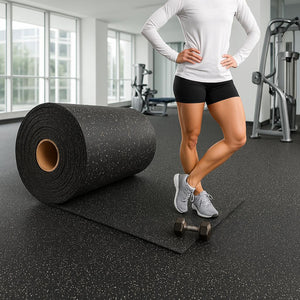
20mm is the UK bestselling gym flooring thickness for good reason. It suits the widest range of home gym setups and offers the best value for money. Choose 20mm if:
- Your home gym includes dumbbells, kettlebells, a barbell and plates under 120kg
- You lower your weights under control rather than dropping them
- You use cardio machines, a squat rack, or resistance machines
- You are fitting out a garage gym, spare room gym, or PT studio
- Your budget is £12–£18 per m²
20mm rubber tiles provide sufficient protection for concrete floors and timber subfloors against everyday gym loading. They are also light enough to install alone and to lift for cleaning underneath.
When to Choose 30mm Gym Flooring
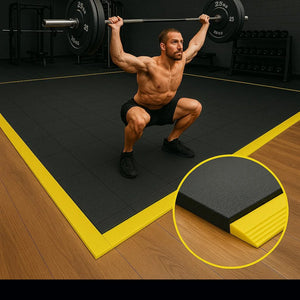
30mm is the commercial standard for serious training environments. Choose 30mm if:
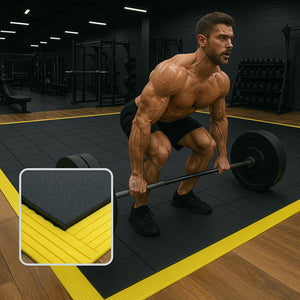
- You regularly drop loaded barbells from the top of a deadlift or squat
- You perform Olympic weightlifting (snatch, clean and jerk) with full drops
- Your gym has members performing heavy powerlifting (200kg+ lifts)
- You need better sound dampening to protect downstairs neighbours or a timber floor
- You are fitting a commercial gym, CrossFit box, or school sports hall
30mm tiles absorb significantly more impact than 20mm, reducing the shock transferred to the subfloor and the structure of the building. They also last longer in high-intensity commercial environments.
Is There Any Situation Where 15mm Is Enough?
Yes. 15mm rubber gym flooring is appropriate for:
- Cardio-only areas (treadmills, bikes, rowing machines)
- Stretching and yoga zones
- Light resistance machine areas
- Martial arts and boxing gym floors (used with tatami mats on top)
Do not use 15mm flooring under a free-weight zone or barbell area.
What About 40mm Gym Flooring?
40mm rubber tiles are used in specialist applications only: Olympic weightlifting platforms, crossfit drop zones, and sled push tracks. For a standard home gym, 40mm is unnecessary and significantly more expensive. If you want the protection of 40mm but at lower cost, fit 20mm rubber tiles and add a dedicated deadlift platform (plywood with a rubber topper) in your lifting zone.
20mm vs 30mm: The Noise Difference
If noise is a concern — for example, you train in a first-floor room or have downstairs neighbours — 30mm makes a meaningful difference. The extra 10mm of dense rubber absorbs more impact vibration before it transfers to the floor structure. For very noisy environments, pair 30mm tiles with an acoustic underlay for maximum sound reduction.
Buying 20mm or 30mm Gym Flooring in the UK
Both 20mm and 30mm interlocking rubber tiles are available with free delivery across mainland UK from Gym Flooring UK. Our tiles are made from recycled SBR rubber and carry a 3-year warranty. Request a free sample before you order to check the quality and colour in your space.
Frequently Asked Questions
Is 20mm gym flooring good enough for a home gym?
Yes. 20mm is the most popular choice for UK home gyms and handles the full range of home gym equipment including barbells, dumbbells, squat racks, and cardio machines. It is only insufficient if you regularly drop heavy barbells from height.
Can I mix 20mm and 30mm tiles in the same gym?
Yes — many gym owners use 20mm tiles for the general floor and 30mm tiles in the free-weight zone or under a barbell. Because both sizes use the same connector system, they interlock directly with no visible seam difference.
How long does 20mm rubber gym flooring last?
With normal home gym use, 20mm rubber tiles last 10 to 15 years. Commercial environments with daily heavy use may see more wear after 8 to 10 years. High-quality SBR tiles from specialist suppliers last significantly longer than budget alternatives.
