





Can You Put Gym Flooring Over Carpet? UK Guide 2026
Can You Put Gym Flooring Over Carpet? UK Guide 2026
Yes, you can put gym flooring over carpet for light workouts, but it is not recommended for heavy weight training or free weights. Thin, flat, low-pile carpet is acceptable under interlocking rubber or EVA foam tiles for yoga, bodyweight exercises, and cardio equipment. For any gym with dumbbells, barbells, or heavy racks, always remove the carpet first — carpet creates an unstable surface, allows equipment to rock, and traps moisture under rubber tiles. This guide explains exactly when it works, when it doesn't, and how to do it safely.
When You CAN Put Gym Flooring Over Carpet
Gym flooring over carpet works best for these scenarios:
Light Fitness Activities
- Yoga and Pilates: Perfect for yoga mats or thin interlocking tiles
- Bodyweight exercises: Push-ups, sit-ups, stretching routines
- Dance fitness: Zumba, aerobics, martial arts forms
- Meditation and mindfulness: Quiet, low-impact activities
Temporary Workout Setups
- Rental properties: When you can't remove existing carpet
- Shared spaces: Living rooms that double as workout areas
- Trial periods: Testing a home gym before committing to renovation
- Seasonal use: Winter indoor training setups
Moderate Weight Training (with conditions)
- Light dumbbells only: Up to 10kg maximum weight
- Controlled movements: No dropping or impact exercises
- Low-pile carpet only: Firm, dense carpet essential
- Heavy-duty flooring: Thick rubber tiles that won't flex
When You CANNOT Put Gym Flooring Over Carpet
Skip the carpet and remove it for these activities:
Heavy Weight Training
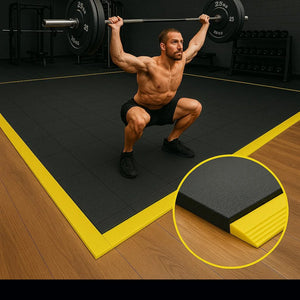
- Barbells and Olympic weights: Too heavy and unstable
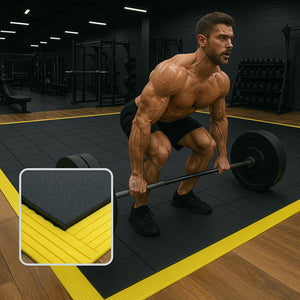
- Deadlifts: Risk of carpet compression and damage
- Power lifting: Safety requires stable, level surface
- Heavy dumbbells (15kg+): Can damage carpet and subfloor
High-Impact Cardio
- Jumping exercises: Plyometrics, box jumps, burpees
- Running in place: High-impact footfall
- HIIT workouts: Intense, rapid movements
- Kettlebell swings: Dynamic movements with heavy weights
Equipment-Based Training
- Squat racks: Require perfectly level, stable foundation
- Bench press: Heavy equipment needs solid support
- Cable machines: Wobbling carpet affects safety
- Power racks: Too much weight and movement
Understanding Stability Issues on Carpet
Carpet creates stability problems that affect both safety and workout effectiveness:
Why Carpet Causes Problems
- Compression: Carpet compresses unevenly under weight
- Bounce: Carpet padding creates unstable surface
- Flexibility: Carpet can stretch and move during exercise
- Uneven surface: Even small carpet variations affect balance
Safety Risks on Carpet
- Ankle injuries: Unstable surface increases twist risk
- Falls: Unexpected surface movement during exercise
- Equipment tipping: Weights can shift or fall unexpectedly
- Joint stress: Uneven surface puts extra strain on joints
Performance Issues
- Reduced power output: Energy lost to carpet compression
- Poor balance: Affects form and exercise quality
- Inconsistent feedback: Can't feel proper foot positioning
- Energy absorption: Carpet absorbs force that should build strength
Carpet Types and Gym Flooring Compatibility
Not all carpets are created equal for gym flooring installation:
Low-Pile Carpet (BEST for gym flooring)
- Pile height: 6mm or less
- Construction: Dense, tightly woven
- Backing: Firm, minimal padding
- Suitability: Good for light weights and yoga
- Examples: Berber, commercial carpet, loop pile
Medium-Pile Carpet (CAUTION required)
- Pile height: 6-12mm
- Construction: Moderate density
- Backing: Standard underpad
- Suitability: Yoga and bodyweight only
- Issues: More compression, less stability
Deep-Pile Carpet (AVOID for gyms)
- Pile height: 12mm+
- Construction: Soft, plush texture
- Backing: Thick padding
- Suitability: Not suitable for any gym use
- Problems: Extreme instability, ankle risk
Carpet Padding Considerations
- Memory foam padding: Worst for stability
- Rubber waffle padding: Better stability than foam
- Firm rubber padding: Best option if keeping carpet
- No padding: Ideal but rare in residential settings
Best Gym Flooring Products for Over-Carpet Use
If you decide to proceed with gym flooring over carpet, choose the right products:
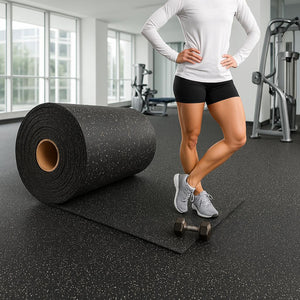
Heavy-Duty Rubber Tiles (RECOMMENDED)
Why they work on carpet:
- Weight: Heavy tiles (3-5kg each) compress carpet evenly
- Rigidity: Don't flex under moderate weight
- Size: Larger tiles (50x50cm) distribute load better
- Interlocking: Creates stable, continuous surface
- Recommended thickness: 20-30mm minimum
Best options:
- 30mm commercial rubber tiles: £40-50 per sqm
- 25mm high-density tiles: £30-40 per sqm
- 20mm extra-heavy tiles: £25-35 per sqm
Interlocking Rubber Mats
Good for light use:
- Flexibility: Can accommodate carpet texture better
- Coverage: Large mats cover more carpet area
- Portability: Easy to move and store
- Cost: More affordable than tiles
- Limitations: Less stable than heavy tiles
Gym Flooring to AVOID Over Carpet
- EVA foam tiles: Too light, will shift and slide
- Thin yoga mats: No stability improvement
- Puzzle mats: Usually too flexible
- Cork flooring: Can crack on uneven carpet
- Vinyl tiles: Will buckle and separate
Moisture and Mould Risks
Moisture management is critical when installing gym flooring over carpet:
How Moisture Problems Develop
- Sweat drips: Falls between flooring gaps onto carpet
- Humidity: Exercise increases room humidity
- Poor ventilation: Carpet traps moisture underneath flooring
- Spilled drinks: Liquids can seep through to carpet
Mould and Odour Issues
- Carpet provides food: Organic fibres feed mould growth
- Dark, warm environment: Perfect conditions under gym flooring
- Difficult to clean: Can't access carpet for cleaning
- Health risks: Mould spores can cause respiratory problems
Prevention Strategies
- Excellent ventilation: Fans, dehumidifiers, open windows
- Moisture barriers: Plastic sheeting under tiles
- Regular lifting: Check carpet condition monthly
- Immediate cleanup: Wipe spills immediately
- Antimicrobial treatment: Treat carpet before installation
Installation Guide for Gym Flooring Over Carpet
Follow these steps for the best results when installing gym tiles over carpet:
Pre-Installation Preparation
- Deep clean carpet: Professional carpet cleaning recommended
- Check for damage: Repair any tears or loose areas
- Test stability: Walk on carpet to identify soft spots
- Measure and plan: Map out tile layout carefully
- Gather tools: Rubber mallet, utility knife, measuring tape
Installation Steps
- Start from corner: Begin installation from most visible corner
- Work systematically: Install row by row for even compression
- Check level frequently: Use spirit level to ensure even surface
- Tap firmly: Use rubber mallet to seat tiles properly
- Cut last pieces carefully: Measure twice, cut once
Post-Installation Checks
- Walk test: Check for any wobbly or unstable areas
- Weight test: Place moderate weights to test stability
- Gap inspection: Ensure all tiles are properly connected
- Ventilation check: Verify airflow around flooring edges
When to Remove Carpet Instead
Sometimes removing carpet is the only safe option:
Signs You Must Remove Carpet
- Deep pile height: Over 12mm pile
- Soft padding: Memory foam or thick cushion backing
- Poor condition: Stains, odours, or damage
- Heavy equipment planned: Squat racks, heavy weights
- Permanent gym setup: Long-term dedicated gym space
Benefits of Carpet Removal
- Safety: Stable, level surface for all exercises
- Hygiene: Easy to clean, no moisture trapping
- Durability: Gym flooring lasts longer on solid subfloor
- Performance: Better energy transfer, improved stability
- Flexibility: Can use any type of gym flooring
Carpet Removal Process
- Cut into strips: Use utility knife to cut carpet
- Remove tack strips: Carefully pull up nail strips
- Remove padding: Take up all underpadding
- Clean subfloor: Remove all staples and adhesive
- Check condition: Repair any subfloor damage
Practical Examples and Case Studies
Real-world scenarios for gym flooring over carpet:
Case Study 1: Yoga Studio in Spare Bedroom
- Situation: Low-pile bedroom carpet, light yoga practice
- Solution: 15mm interlocking rubber mats
- Cost: £150 for 12 sqm area
- Result: Works well for 2 years, no issues
- Key factor: Very light use, excellent ventilation
Case Study 2: Home Gym Failure
- Situation: Deep pile living room carpet, moderate weights
- Attempted solution: 20mm rubber tiles
- Problems: Tiles shifted, ankle injuries, mould smell after 6 months
- Final solution: Removed carpet, installed proper gym flooring
- Lesson: Deep pile carpet incompatible with any weights
Case Study 3: Temporary Training Setup
- Situation: Rental flat, short-term lease, bodyweight training
- Solution: Large rubber exercise mats over low-pile carpet
- Duration: 18 months successful use
- Success factors: Light use only, excellent ventilation, regular cleaning
Cost Comparison: Over Carpet vs Carpet Removal
Understanding the true costs of each approach:
Gym Flooring Over Carpet (20 sqm)
- Heavy rubber tiles: £600-800
- Moisture barrier: £40-60
- Installation: DIY (2-3 hours)
- Risk costs: Potential carpet replacement (£400-800)
- Total: £640-860 (plus risk)
Carpet Removal + Proper Gym Flooring (20 sqm)
- Carpet removal: £200-400 (DIY) or £400-600 (professional)
- Subfloor preparation: £100-300
- Quality gym flooring: £500-700
- Installation: £200-400 (if professional)
- Total: £1,000-2,000
Long-Term Value Analysis
- Over carpet: Higher risk, limited workout options
- Proper installation: Better safety, unlimited options, higher property value
- Break-even point: Proper installation pays off in 3-5 years
Maintenance and Monitoring
If you proceed with gym flooring over carpet, regular maintenance is essential:
Weekly Checks
- Stability test: Check for loose or shifting tiles
- Moisture check: Look for any wet spots or condensation
- Cleaning: Wipe down flooring with appropriate cleaners
- Ventilation: Ensure good air circulation
Monthly Inspection
- Lift tiles: Check carpet condition underneath
- Smell test: Check for musty or mould odours
- Wear patterns: Look for carpet compression or damage
- Re-alignment: Adjust tiles if they've shifted
Signs to Remove Flooring
- Persistent odours: Musty, damp smells
- Visible mould: Any growth on carpet or flooring
- Instability: Tiles shifting during exercise
- Carpet damage: Permanent compression or staining
Frequently Asked Questions
Can I put heavy rubber gym tiles over carpet?
Yes, heavy rubber tiles work better over carpet than lighter options, but only for light to moderate use. Choose tiles that are 20mm+ thick and weigh at least 3kg each. Avoid heavy weights or high-impact exercises even with heavy tiles.
Will gym flooring damage my carpet?
Gym flooring can damage carpet through compression, moisture trapping, and weight stress. The risk is highest with deep pile carpets, heavy equipment, and poor ventilation. Always use moisture barriers and check carpet condition regularly.
What's the maximum weight I can use with gym flooring over carpet?
For safety, limit individual weights to 10kg maximum when using gym flooring over carpet. This includes dumbbells, kettlebells, and weight plates. Heavier weights require carpet removal for proper subfloor installation.
How do I prevent mould under gym flooring on carpet?
Prevent mould with excellent ventilation, moisture barriers under flooring, immediate spill cleanup, and regular carpet inspection. Consider antimicrobial treatment of carpet before installation and maintain low humidity levels.
Should I use underlay when putting gym flooring over carpet?
Generally no - adding underlay over carpet creates even more instability. Instead, use heavy, rigid tiles that can compress the carpet evenly. If moisture is a concern, use a thin plastic barrier rather than foam underlay.
Find the Right Solution for Your Space
Whether you're working with existing carpet or planning a complete flooring renovation, we have gym flooring solutions for every situation. Explore our range of heavy-duty rubber tiles and professional installation services.
